
ADVERTISEMENT
Vision symptoms are often overlooked because they may come and go quickly. Warning signs include:
- blurred vision
- double vision
- loss of vision in one eye
- partial darkening of the visual field
These changes may last only seconds or minutes, but they can indicate reduced blood flow in areas of the brain responsible for sight.
4. Dizziness or Loss of Balance
A mini stroke can interfere with coordination. A person may suddenly feel:
- dizzy
- unsteady while walking
- unable to stand normally
- off-balance without explanation
This is different from mild age-related instability. The change is sudden and noticeable.
If balance problems appear out of nowhere, especially alongside other symptoms, seek emergency care.
5. Sudden Severe Headache
While not as common, some TIAs present with an abrupt, intense headache that feels unusual for the person. Seniors may describe it as:
- a headache that feels different than usual
- sudden pressure
- sharp head pain
Any unexpected, severe headache paired with neurological symptoms should be evaluated immediately.
Why Immediate Action Matters
A TIA is not harmless. It’s a warning that the brain temporarily lost blood supply. Many people who experience a mini stroke have a higher risk of a full stroke in the following days or weeks.
Quick medical care may help doctors:
- identify the cause
- reduce future stroke risk
- adjust medications
- support long-term brain health
Even if symptoms disappear, emergency care is still necessary.
When to Call Emergency Services
F – Face drooping
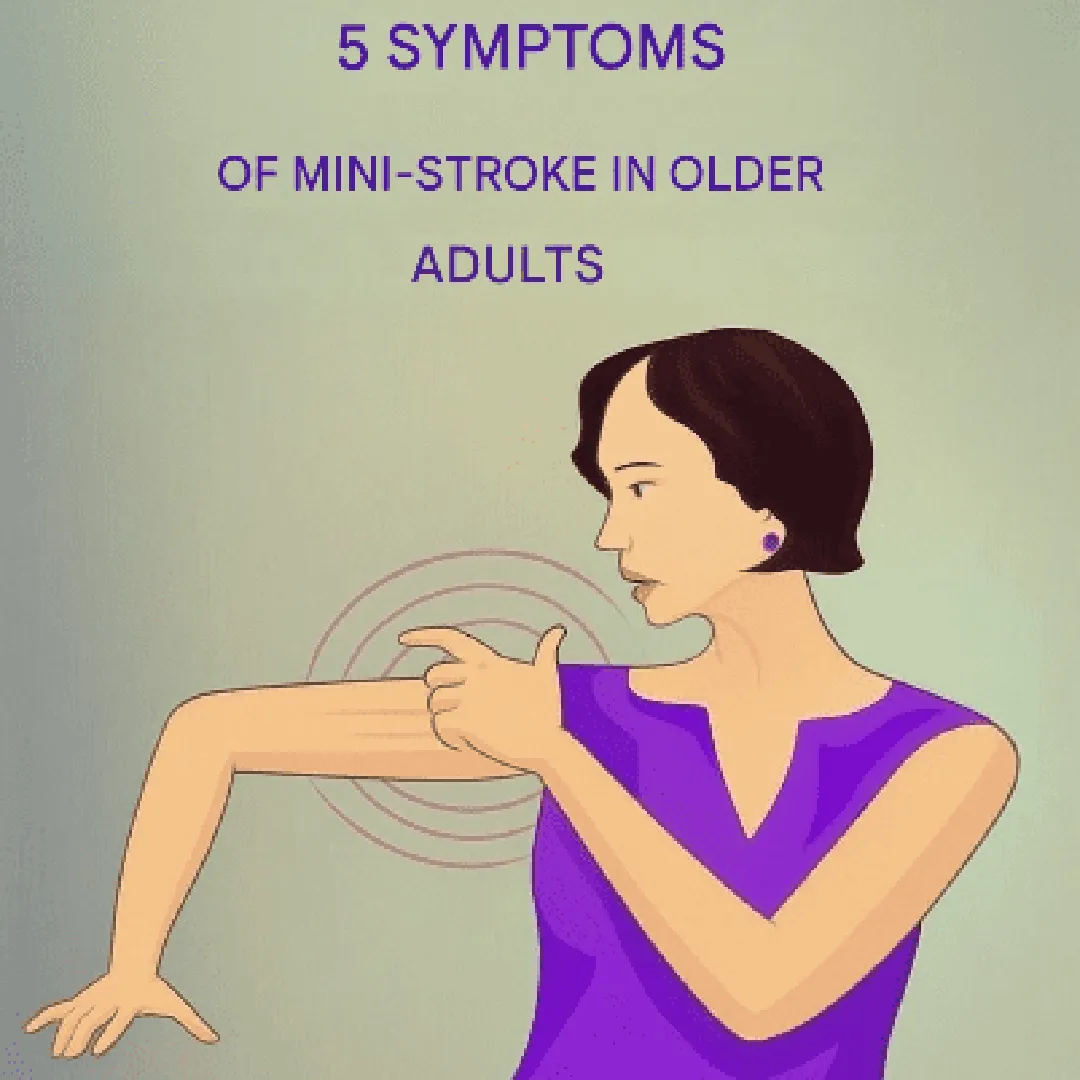
A – Arm weakness
S – Speech difficulty
T – Time to call emergency services
Do not wait to see if symptoms improve. Minutes matter.
Final Thought
Many seniors recover quickly after a mini stroke and assume everything is fine. That assumption can be dangerous. A TIA is the body’s warning system. Listening to it may support prevention of more serious brain injury later.
If you or someone you love shows these symptoms, treat it as urgent. Acting fast can protect long-term independence and quality of life.
ADVERTISEMENT
