
ADVERTISEMENT
Management Approaches: Medical and Cosmetic
Treatment depends on cause and personal preference.
Medical Options
If an underlying condition is identified, addressing it may help reduce further hair growth.
- Managing insulin resistance
- Thyroid hormone regulation
- Anti-androgen medications under supervision
- Combined oral contraceptives when appropriate
- Prescription topical treatments such as eflornithine
These approaches require medical oversight and ongoing monitoring.
Cosmetic Options
Many women choose cosmetic management regardless of cause.
Options include:
- Laser hair removal (most effective for dark hair)
- Electrolysis (works for all hair colors)
- Gentle tweezing or trimming
- Avoiding aggressive waxing if skin is sensitive
Cosmetic treatment does not address hormonal balance but can improve comfort and confidence.
Lifestyle Factors That May Support Balance
While lifestyle changes do not “cure” hormonal conditions, they may support overall endocrine health.
Consider:
- Balanced nutrition emphasizing low-glycemic foods
- Regular physical activity to support insulin sensitivity
- Adequate sleep
- Stress management practices
Chronic stress may influence cortisol, which can indirectly affect hormone balance.
Lifestyle supports the system rather than targeting a single symptom.
Common Mistakes to Avoid
Ignoring Rapid Changes
Self-Diagnosing Through Social Media
Online forums may amplify extreme cases. Professional assessment provides clarity.
Overusing Harsh Hair Removal
Aggressive waxing or frequent shaving can irritate skin and worsen inflammation.
Starting Supplements Without Guidance
Even natural supplements can interact with medications. Clinical input matters.
FAQ
Is facial hair always a sign of PCOS?
No. Many women experience mild facial hair growth without PCOS.
Can menopause alone cause this?
Yes. Hormonal shifts during menopause can contribute.
Will removing hair make it grow back thicker?
No. Removal does not change follicle density, though regrowth may feel coarse.
Should I request hormone testing immediately?
Testing is appropriate if hair growth is rapid, progressive, or accompanied by other symptoms.
A Reassuring Perspective
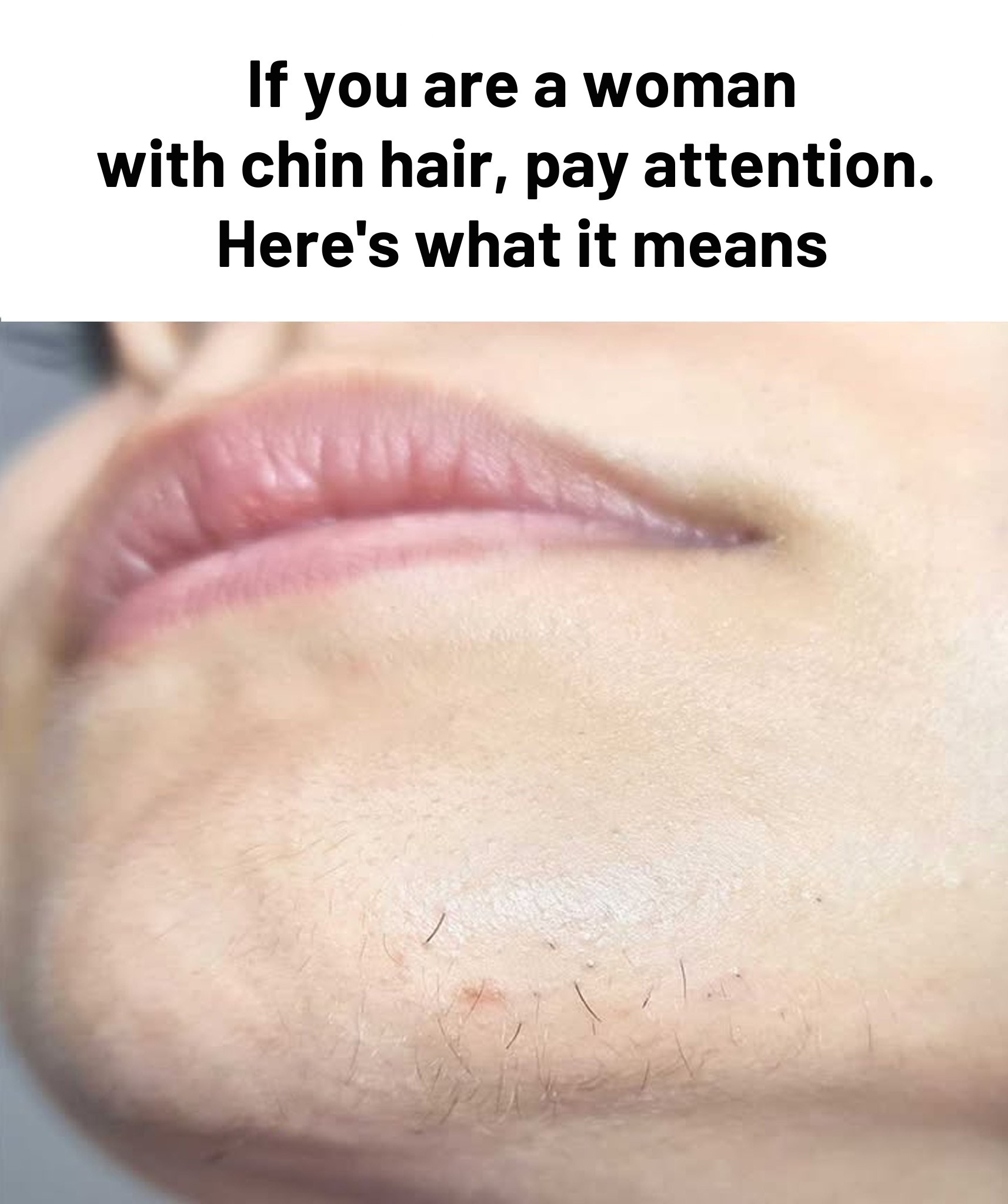
The presence of facial hair does not diminish femininity, health, or identity. It is a biological process influenced by genetics, hormones, and time.
If changes feel unusual, seeking evaluation supports peace of mind. If growth is mild and stable, cosmetic management may be sufficient.
Listening to your body with curiosity—not alarm—supports balanced decisions.
This information is educational and not a substitute for personalized medical care. If concerns persist, consult a qualified healthcare professional for individualized guidance.
ADVERTISEMENT
