
ADVERTISEMENT
Strengthen Sun Protection Habits
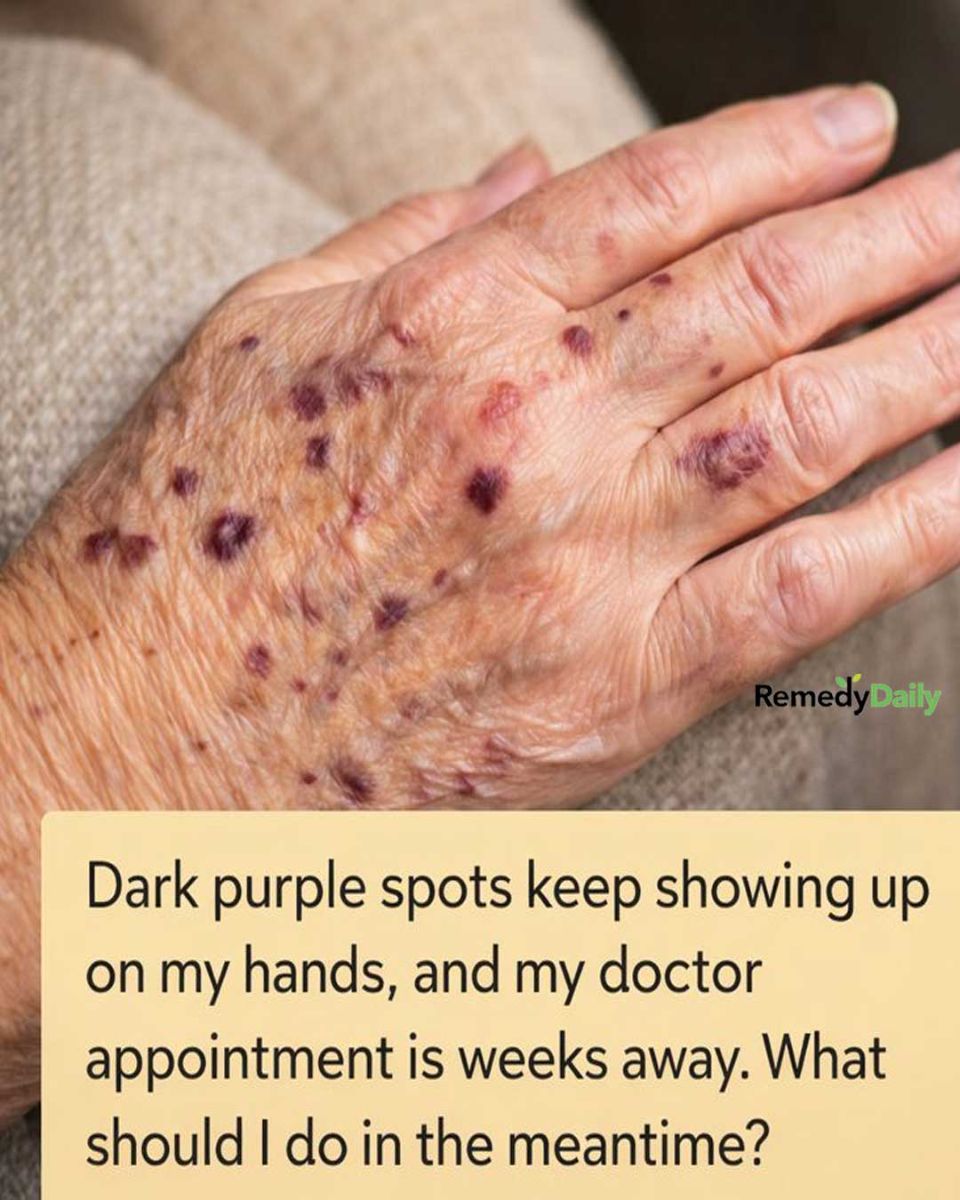
Sun exposure contributes significantly to actinic purpura.
Start protecting your hands now:
- Apply broad-spectrum SPF 30+ daily
- Reapply when outdoors
- Wear sun-protective sleeves or gloves
- Avoid peak midday sun
Review Medications and Supplements
Certain medications can increase bruising risk.
Common examples include:
- Aspirin
- Blood thinners
- Some anti-inflammatory medications
- Fish oil (in high doses)
- Vitamin E (in high doses)
Do not stop prescribed medication without medical advice.
However, make a list of everything you take — including supplements — so you can discuss it at your appointment.
At-Home Comfort Measures
If spots feel tender:
- Apply a cool compress for 10–15 minutes
- Elevate hands slightly when resting
- Avoid massaging aggressively
Topical arnica may help reduce bruise appearance for some people, but evidence is mixed. Use gently and discontinue if irritation occurs.
Nutrition That Supports Skin and Vessel Health
While diet won’t reverse existing purpura, good nutrition supports tissue repair.
Focus on:
- Vitamin C-rich foods (citrus, berries, bell peppers)
- Leafy greens (vitamin K)
- Omega-3 sources (salmon, flaxseed)
- Adequate hydration
Skip Viral “Quick Fix” Remedies
Avoid:
- Vinegar applications
- Harsh rubbing alcohol
- Essential oils applied directly
- Strong exfoliation
These may worsen fragile skin rather than help it.
Gentle care is safer.
Document Your Symptoms
Make your upcoming appointment more productive.
Keep notes on:
- When the spots appeared
- Their size and location
- Whether they fade or persist
- Any new medications
- Any new symptoms
Taking weekly photos in consistent lighting can help track changes.
Bring this information to your appointment.
The Emotional Side
Remember:
- Actinic purpura is common
- It does not automatically indicate serious disease
- It often reflects natural aging and sun exposure
If appearance concerns you, lightweight, sensitive-skin concealers can temporarily reduce visibility.
But focus first on health, not aesthetics.
A Calm Plan While You Wait
Here’s a practical summary:
- Monitor the spots
- Watch for red-flag symptoms
- Protect your hands from trauma
- Strengthen sun protection
- Review medications
- Maintain gentle skin care
- Document changes
Most cases of purple spots on the hands are benign, especially if painless and stable.
Stay observant — but not alarmed.
Your upcoming appointment will provide clarity. In the meantime, thoughtful protection and monitoring are the most helpful steps you can take.
ADVERTISEMENT
