
ADVERTISEMENT
How a Darning Mushroom Is Used in Practice
Using a darning mushroom is straightforward, even for beginners.
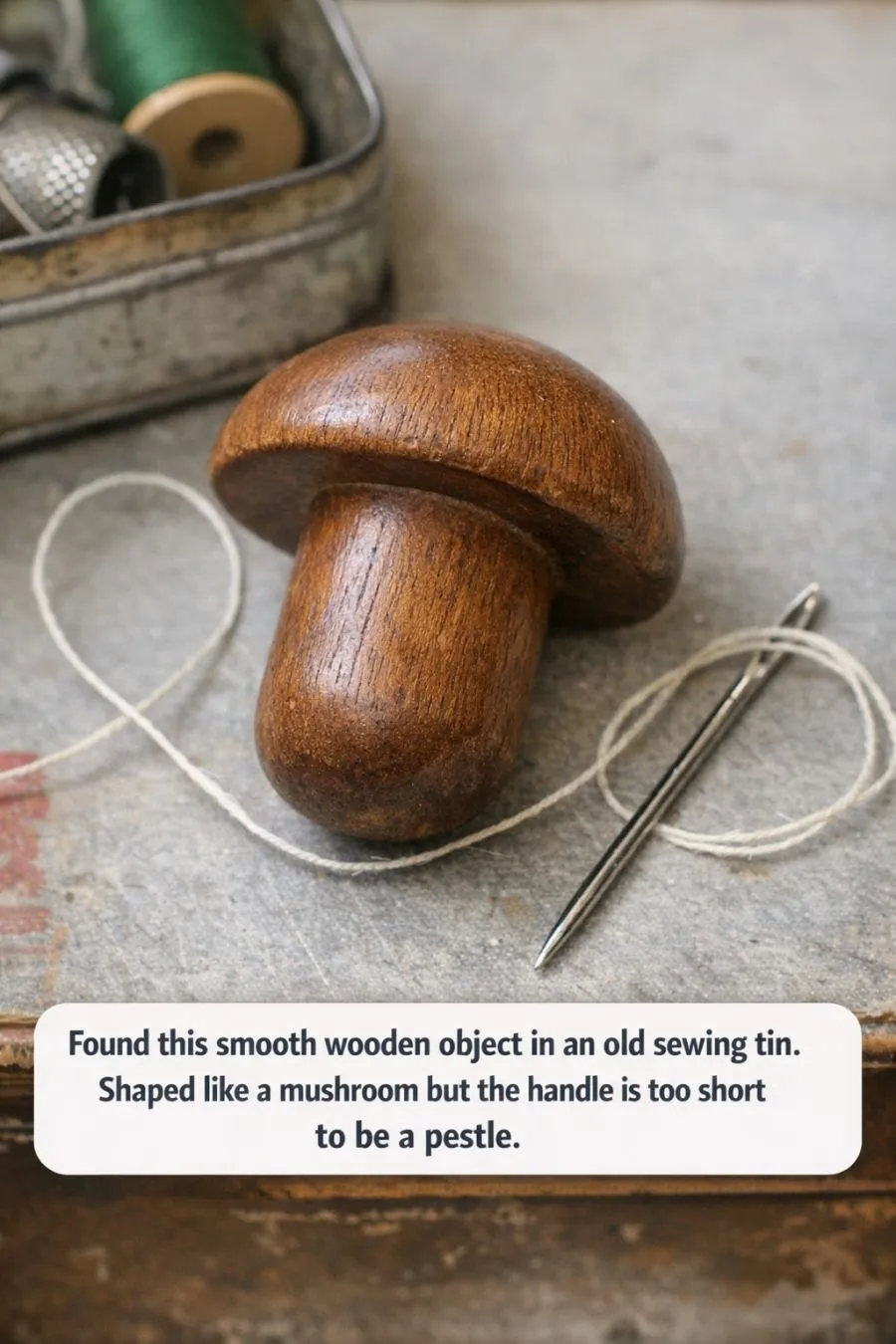
The damaged area of a sock or knit garment is stretched gently over the rounded cap. This tension reveals the hole clearly and prevents fabric bunching. A needle threaded with matching yarn is then used to create parallel stitches across the gap.
The process may help extend garment life without altering comfort. It also encourages mindful ownership of clothing.
Practical Habits That Support Fabric Repair
Darning works best when combined with simple care habits:
Rotate frequently worn items
Allowing socks and knitwear to rest between uses may reduce stress on fibers.
Inspect small wear early
Repairing thinning areas before full holes appear can make mending easier.
Use matching materials
Thread that resembles the original fabric supports a smoother finish.
These habits don’t require advanced skills. They support longevity through attention and consistency.
Common Mistakes When Mending Fabric
Beginners sometimes rush the process. A few adjustments can improve results:
Pulling thread too tightly
Over-tight stitching may distort fabric shape.
Ignoring surrounding wear
Using rough surfaces
Mending without a smooth support tool can snag fibers and complicate repairs.
The darning mushroom helps prevent these issues by stabilizing the workspace.
Caring for Vintage Wooden Sewing Tools
Old wooden tools benefit from gentle maintenance.
Dust can be removed with a soft cloth. Occasional application of mineral oil or beeswax may help preserve the surface. Avoid soaking wood in water, which can cause swelling or cracking.
Proper care supports both function and longevity. These tools were built to last and often continue working decades after their original purchase.
FAQ: Rediscovering Darning in Modern Homes
Is darning difficult to learn?
Most people can learn basic darning quickly. It relies more on patience than technical complexity.
Does repairing clothing really make a difference?
Repairing garments may contribute to reduced waste and lower replacement costs over time.
Are darning mushrooms still available?
Can beginners use other objects instead?
Smooth rounded household items can substitute temporarily, but purpose-built tools provide better stability.
Why This Tool Still Matters Today
The darning mushroom represents more than a sewing accessory. It reflects a mindset centered on care, maintenance, and thoughtful consumption.
Rediscovering tools like this may encourage practical habits that support sustainability without requiring drastic lifestyle changes. Small repairs add up. They extend usefulness. They reinforce a connection to craftsmanship that many people find satisfying.
In a fast-moving consumer culture, the act of repairing something by hand can feel grounding. It transforms a worn item into something valued again. And it shows that even simple tools can carry meaningful lessons about how people lived, adapted, and preserved what they owned.
That quiet history is still accessible. It’s sitting inside an old sewing tin, waiting to be understood.
ADVERTISEMENT
