
ADVERTISEMENT
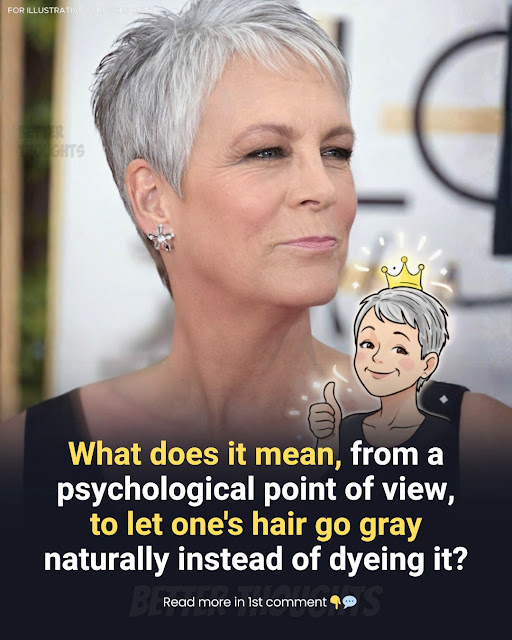
Letting hair turn gray naturally is often more than a cosmetic decision. While on the surface it may seem like a simple change in grooming habits, psychologically it can reflect a deeper shift in identity, values, and self-perception.
For many people, gray hair is closely tied to ideas about aging, attractiveness, and social expectations. Choosing not to dye it can signal an evolving relationship with those ideas — and with oneself.
1. Acceptance Instead of Resistance
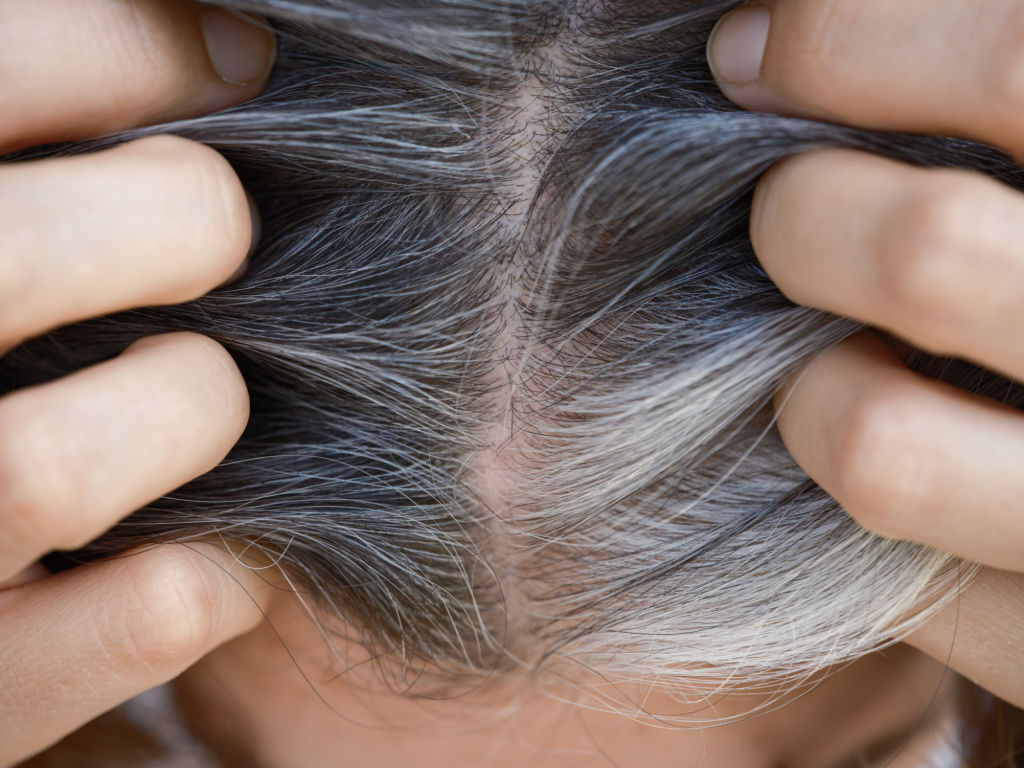
For years, dyeing hair can feel like a way of resisting time — maintaining a previous version of oneself. Deciding to stop may represent a shift from resisting aging to accepting it.
Psychologically, acceptance reduces internal conflict. Instead of feeling pressure to “correct” natural changes, a person may begin to align more closely with reality as it is. Research in positive psychology consistently shows that acceptance — rather than avoidance — is associated with greater emotional well-being.
This doesn’t mean giving up on appearance. It means choosing not to treat natural aging as something that must be hidden.
2. Reclaiming Personal Identity
Hair is strongly connected to identity. When someone stops dyeing their hair, it can feel like reclaiming ownership over their image.
In many cultures, youth is idealized. Dyeing gray hair may sometimes reflect an attempt to meet that standard. Letting it go natural can signal a decision to define oneself internally rather than externally.
Psychologically, this strengthens self-concept. Identity becomes less dependent on approval or conformity and more grounded in authenticity.
3. Reducing Mental Load and Appearance Anxiety
- Regular appointments
- Monitoring regrowth
- Worrying about roots
- Comparing appearance to others
That ongoing vigilance can subtly reinforce anxiety about aging.
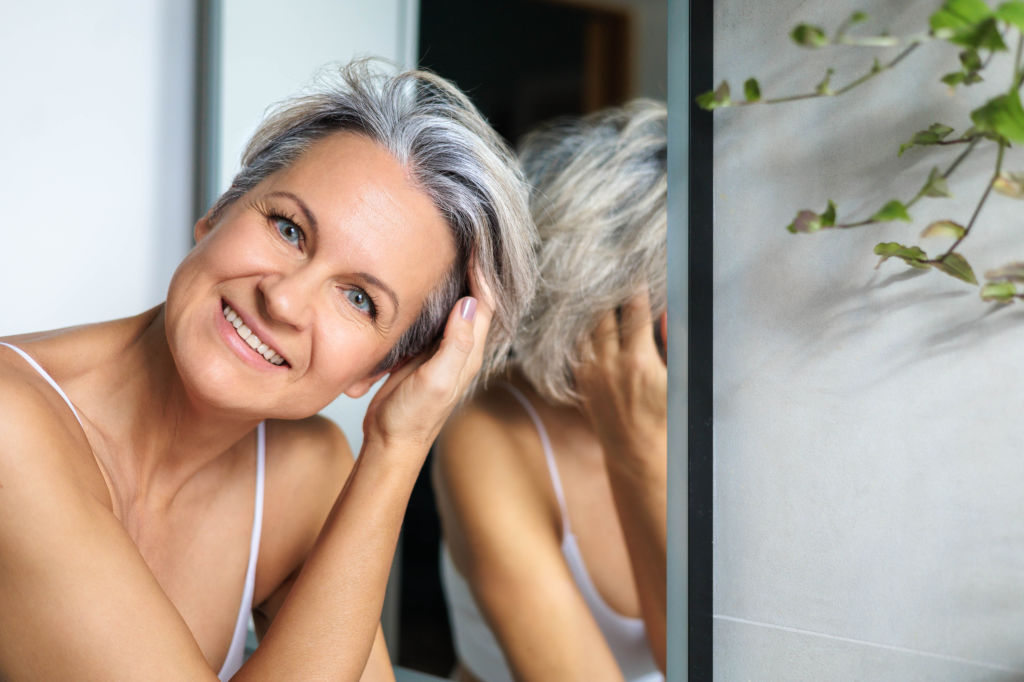
Choosing to go gray may reduce that mental load. Many people report feeling lighter, less preoccupied with appearance maintenance, and more present in daily life.
The shift isn’t always dramatic, but it can contribute to a calmer relationship with one’s image.
4. Redefining Confidence
— See Next Page —
ADVERTISEMENT
