
ADVERTISEMENT
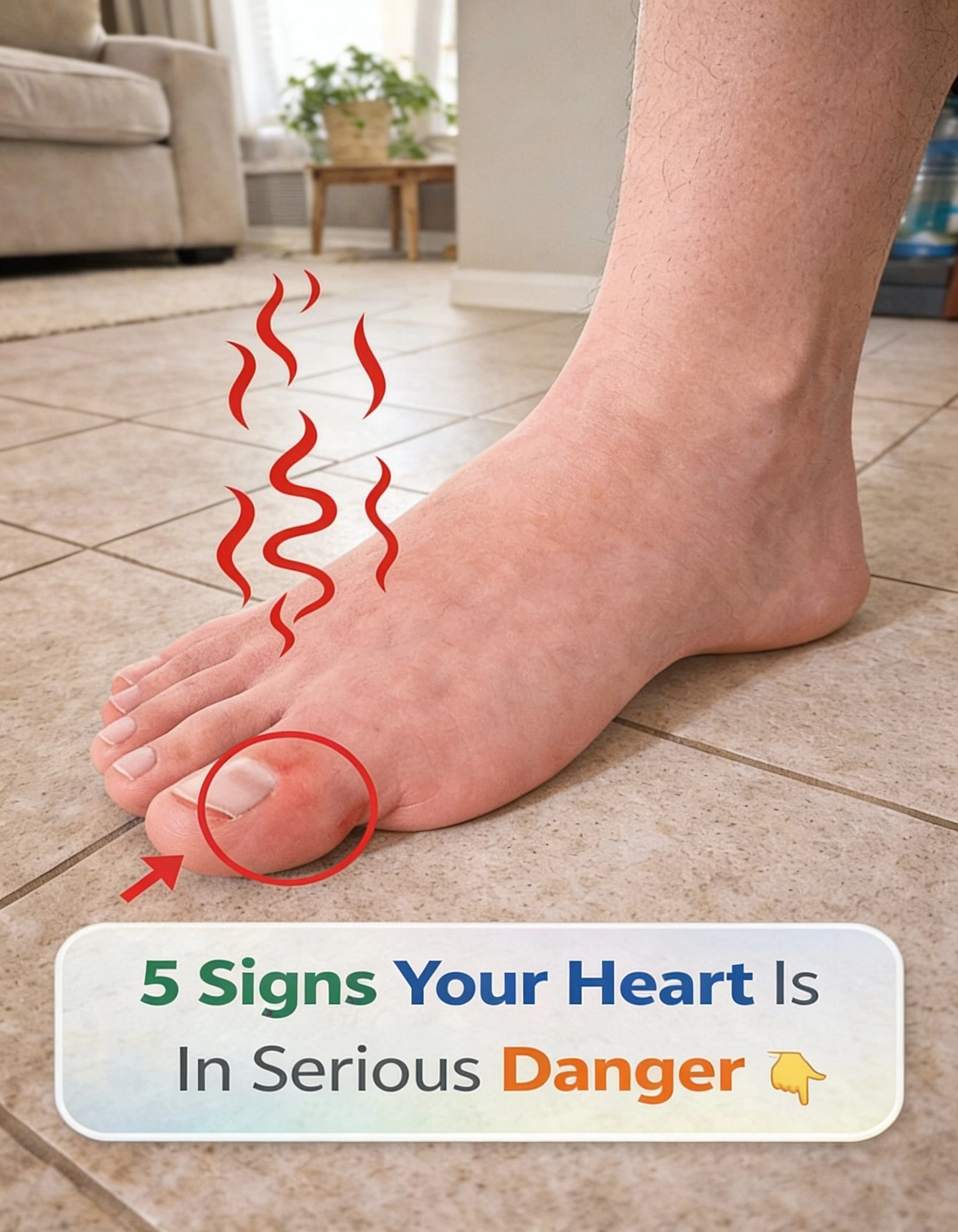
Subtle Signs Your Heart May Need Attention — What Your Body Might Be Trying to Tell You
Most people expect serious heart problems to appear suddenly. Movies often show dramatic chest pain and an emergency rush to the hospital. In real life, however, the body sometimes sends quieter signals first.
You might notice that simple tasks feel more tiring than usual. Maybe climbing stairs leaves you more breathless than it used to. Or perhaps your ankles seem slightly swollen by the end of the day.
Heart disease remains the leading cause of death in the United States. Because of that, understanding early warning signs can help people recognize when it might be time to speak with a healthcare professional.
The goal is not to create alarm. Instead, it’s about becoming more aware of how the body communicates changes over time.
Below are several symptoms that sometimes appear weeks before more serious heart-related problems. Not everyone experiences them, and many can have harmless explanations. Still, paying attention to patterns can support better conversations with your doctor.
1. Unusual Fatigue That Feels Different From Normal Tiredness
Feeling tired after a long day is normal. But some people notice a type of fatigue that feels unusually heavy or persistent.
This kind of fatigue may show up during simple activities such as:
- Folding laundry
- Walking short distances
- Showering or dressing
- Climbing a few stairs
When the heart is under strain, it may not pump oxygen-rich blood as efficiently. Muscles and tissues may receive slightly less oxygen, which can contribute to feelings of exhaustion.
For some individuals, this fatigue develops gradually over several weeks.
If your energy levels suddenly feel very different from your usual baseline, keeping track of when the fatigue occurs may help your doctor evaluate possible causes.
2. Shortness of Breath During Everyday Activities
Examples may include:
- Feeling winded after climbing stairs
- Needing to pause while walking uphill
- Feeling breathless when lying flat in bed
This sensation may occur if fluid begins to accumulate in the lungs or if the heart’s pumping efficiency changes.
Shortness of breath can also occur for many non-heart reasons, such as asthma, lung conditions, anxiety, or reduced fitness levels.
Because several conditions can cause this symptom, persistent or worsening breathlessness is often worth discussing with a healthcare provider.
3. Chest Pressure, Tightness, or Discomfort During Activity
Many people associate heart issues with sudden severe chest pain. In reality, the sensation can be much more subtle.
Some people describe it as:
- Pressure or heaviness
- Tightness in the chest
- Mild squeezing
- A sensation similar to indigestion
This discomfort sometimes appears during physical activity and improves with rest.
Any new chest sensation—especially if it occurs repeatedly during activity—should be evaluated by a healthcare professional.
4. Swelling in the Legs, Ankles, or Feet
Swelling in the lower legs can occur for several reasons, including standing for long periods or consuming salty foods.
However, persistent swelling may sometimes be related to fluid retention.
When the heart’s pumping function changes, fluid may accumulate in tissues, particularly in the ankles and feet.
Signs of fluid retention may include:
- Shoes feeling tighter than usual
- Sock marks staying on the skin
- Ankles appearing puffy in the evening
Pressing gently on the skin for a few seconds may leave a temporary indentation.
Because swelling has many possible causes—including kidney issues or medications—it’s helpful to monitor when it occurs and how quickly it develops.
5. Dizziness, Lightheadedness, or Irregular Heartbeats
Some people notice occasional dizziness or a fluttering sensation in their chest.
These feelings may occur when:
- Standing up quickly
- After physical exertion
- During periods of stress
Irregular heart rhythms can sometimes reduce blood flow temporarily, which may contribute to lightheadedness.
Palpitations can also occur from caffeine, dehydration, anxiety, or sleep deprivation.
If dizziness or irregular heartbeats occur frequently or together with other symptoms, your healthcare provider may recommend monitoring heart rhythm or performing simple tests.
Why These Symptoms Sometimes Appear Together
These symptoms rarely occur alone.
For example, fatigue combined with shortness of breath may suggest that the body is working harder to circulate blood.
Similarly, swelling combined with breathlessness may indicate fluid retention.
Because these symptoms can overlap with many other health conditions, tracking patterns can help your doctor evaluate what may be happening.
— See Next Page —
ADVERTISEMENT
