
ADVERTISEMENT
That sharp pain in your heel when you step out of bed can catch you off guard. For many people, it starts as a small discomfort and gradually becomes something that affects daily routines—walking, standing, or even simple household tasks.
Heel pain, often linked to plantar fasciitis, is one of the most common foot complaints in adults. It can affect people who are active, those who stand for long hours at work, or even individuals who recently changed their routine or footwear.
This guide focuses on practical, at-home exercises that require little to no equipment. It also includes insights into daily habits and supportive solutions that many people consider when managing heel discomfort.
Why Heel Pain Happens (And Why It Can Linger)
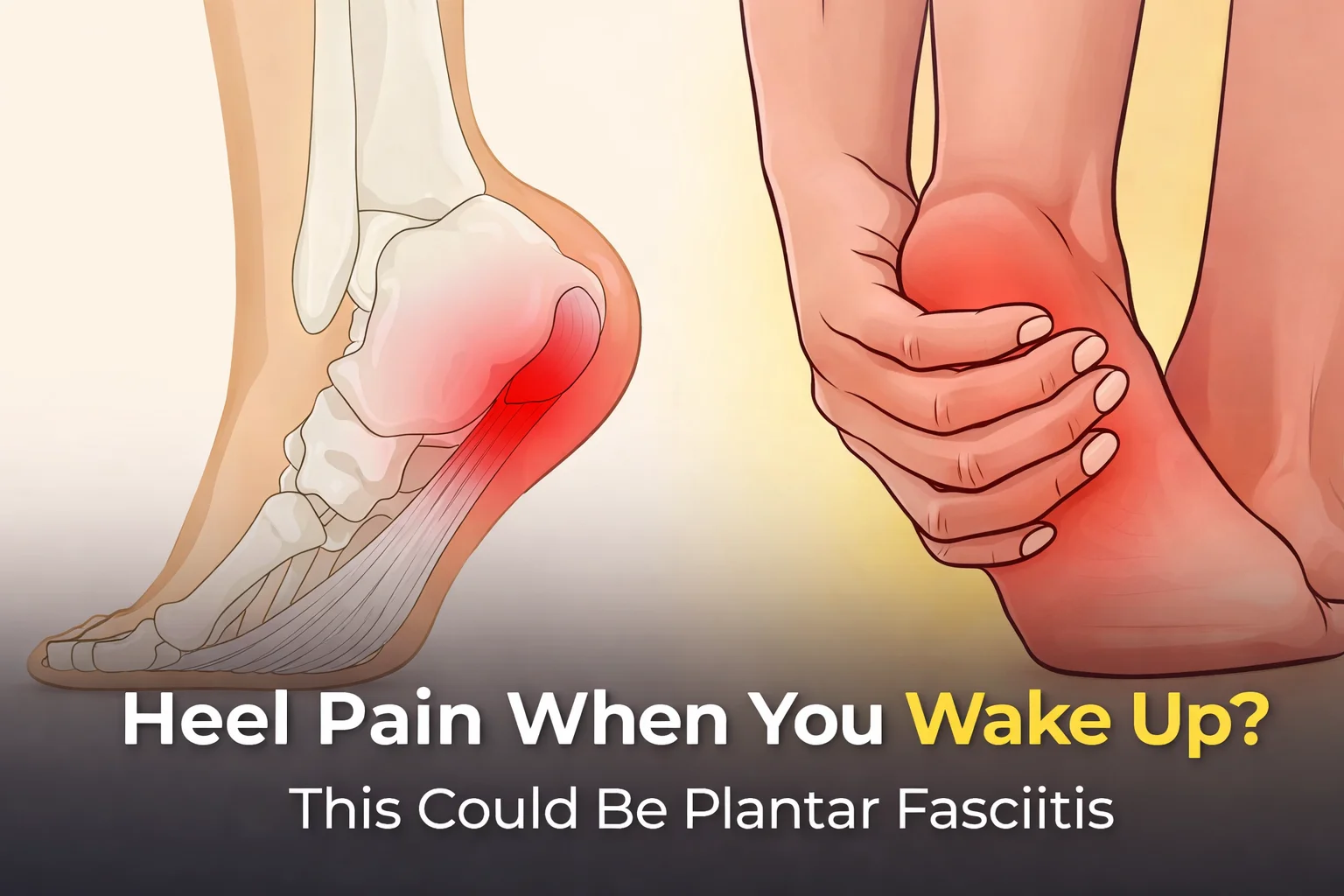
The plantar fascia is a strong band of tissue that runs along the bottom of your foot. It helps support your arch and absorbs impact when you walk.
When this tissue becomes irritated—due to tight muscles, repetitive strain, or lack of support—it may lead to plantar fasciitis.
Common contributing factors include:
- prolonged standing or walking
- tight calf muscles
- sudden increase in physical activity
- wearing shoes with poor arch support
Because this tissue is used constantly, recovery can take time. That’s why consistent care tends to matter more than quick fixes.
Before You Start: A Smarter Approach to Relief
Before jumping into exercises, a few simple principles can make a difference:
- Move gradually and avoid sharp pain
- Mild stretching is normal, but discomfort should not increase
- A short warm-up (like walking for a few minutes) may help
- Consistency is more effective than intensity
Some people also explore supportive options such as cushioned shoes or orthotic inserts, which may help reduce pressure on the heel during daily activities.
Exercise 1: Calf Stretch (Reduces Tension on the Heel)
Tight calf muscles can increase strain on the plantar fascia.
How to do it:
- Stand facing a wall
- Step one foot back, keeping the heel flat
- Bend the front knee and lean forward
- Hold for 30 seconds
- Repeat 3 times per leg
Exercise 2: Plantar Fascia Stretch (Morning Relief)
This stretch directly targets the bottom of the foot.
How to do it:
- Sit and cross one leg over the other
- Pull your toes gently toward your shin
- Hold for 15–20 seconds
- Repeat 3 times
👉 Doing this before getting out of bed may help reduce morning stiffness.
Exercise 3: Rolling Massage (Improves Circulation)
This combines massage and gentle pressure.
How to do it:
- Place your foot on a tennis ball or frozen water bottle
- Roll slowly across the arch
- Continue for 2–3 minutes
👉 A frozen bottle may provide a cooling effect after activity.
Exercise 4: Towel Curls (Strengthens Foot Muscles)
Stronger foot muscles may support the arch and reduce strain.
How to do it:
- Place a towel under your foot
- Use your toes to pull it toward you
- Continue for 1–2 minutes
👉 This helps activate small stabilizing muscles in the foot.
Exercise 5: Ankle Circles (Supports Mobility)
Limited ankle movement may affect walking patterns.
How to do it:
- Lift your foot slightly off the ground
- Rotate your ankle slowly
- Do 10 circles in each direction
Exercise 6: Heel Raises (Builds Strength)
Strengthening the calves and feet may improve support.
How to do it:
- Stand with feet hip-width apart
- Slowly rise onto your toes
- Lower back down
- Start with 10 reps and increase gradually
👉 Performing this regularly may improve stability.
Exercise 7: Toe Stretch & Separation (Improves Flexibility)
This helps reduce stiffness in the front of the foot.
How to do it:
- Pull your toes back gently
- Place fingers between toes to spread them
- Hold for 30 seconds
👉 This may help improve overall foot mobility.
A Note on Supportive Solutions
In addition to exercises, many people consider:
- arch-support shoes for daily use
- gel heel cushions to reduce pressure
- orthotic inserts for better alignment
These options do not replace movement, but they may complement your routine and reduce strain during recovery.
— See Next Page —
ADVERTISEMENT
