
ADVERTISEMENT
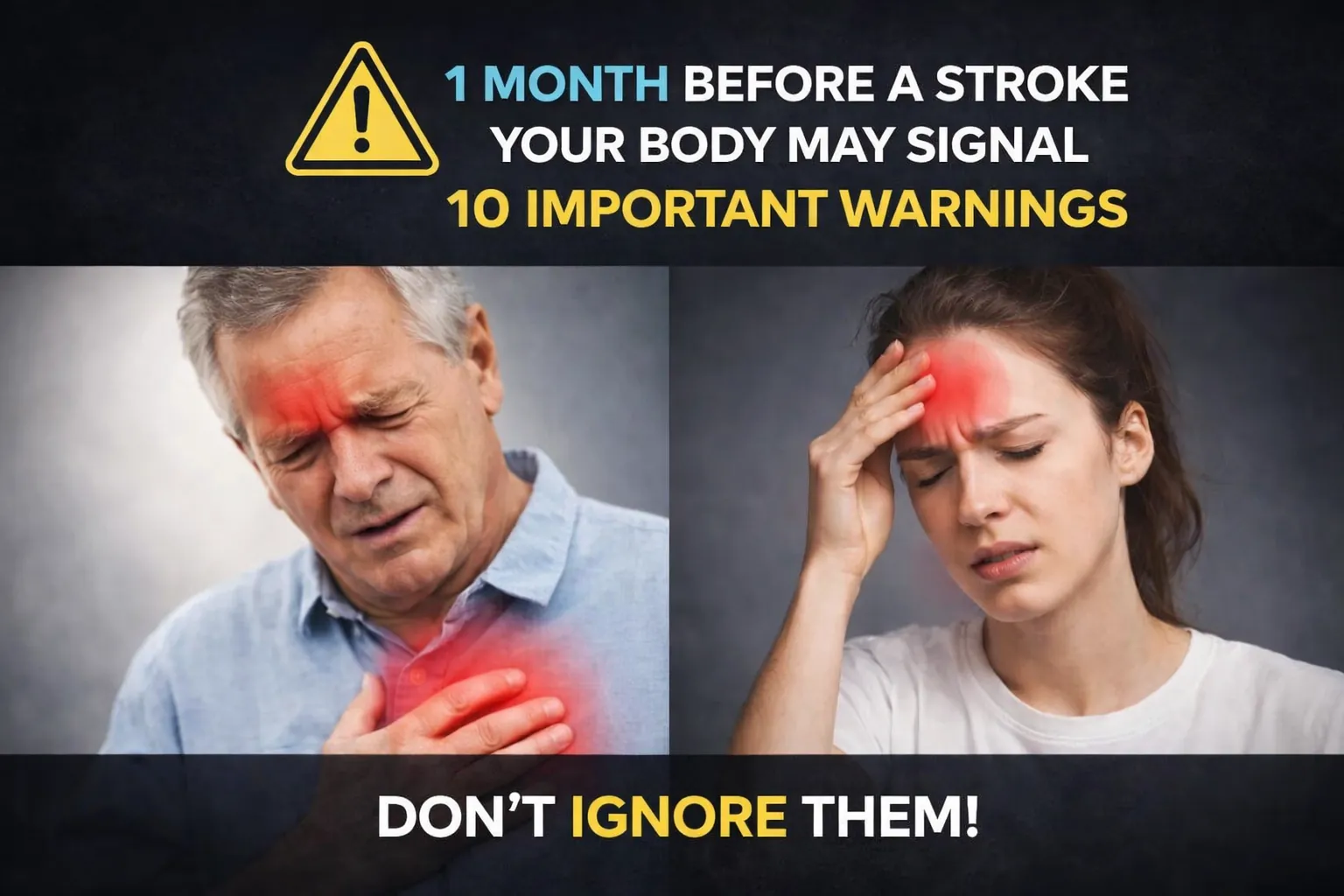
6. A Sudden, Unusual Headache
This is not a typical headache.
It may feel:
- Sudden and intense
- Different from previous headaches
- Unusual in location or severity
7. Temporary Memory Problems
Some individuals experience short-term memory issues, such as:
- Forgetting recent events
- Difficulty forming new memories
- Brief episodes of confusion
These symptoms may resolve quickly but can indicate temporary disruption in brain function.
8. Difficulty Swallowing
Swallowing may suddenly feel difficult or uncomfortable.
You might notice:
- Trouble swallowing food or liquids
- A sensation that the throat is not working properly
This can occur when areas controlling automatic functions are affected.
9. Unusual Fatigue or Drowsiness
A sudden feeling of extreme tiredness can sometimes be overlooked.
This type of fatigue is different because:
- It appears suddenly
- It feels overwhelming
- It is not explained by lack of sleep
If this happens unexpectedly, it may be worth paying attention.
10. A Strong Sense That Something Is Wrong
This feeling may be difficult to describe, but it should not be ignored. The body and brain can sometimes detect problems before clear symptoms appear.
What to Do If You Notice These Signs
If any of these symptoms appear, even briefly:
- Seek medical attention immediately
- Do not wait for symptoms to return
- Do not attempt to diagnose the issue yourself
- Note the time when symptoms started
Even if everything seems normal afterward, evaluation by a medical professional is essential.
Understanding the Risk
The risk of a major stroke can be higher shortly after a TIA, especially within the first couple of days. Early medical care can significantly reduce that risk.
A Simple Way to Recognize Urgent Symptoms: FAST
When symptoms are happening, the FAST method can help:
- Face: Ask the person to smile. Does one side droop?
- Arms: Ask them to raise both arms. Does one drift downward?
- Speech: Ask them to speak. Is it unclear or unusual?
- Time: If any of these signs are present, seek emergency help immediately
Why These Warnings Are Often Ignored
These early signs are frequently missed because:
- They disappear quickly
- They seem mild
- People feel normal afterward
- There is hesitation to seek help
However, temporary symptoms do not mean the situation is safe.
Final Thought
Recognizing these signs and responding quickly can make a critical difference.
Taking action is not overreacting. It is a way to protect your health and reduce serious risk.
ADVERTISEMENT
