
ADVERTISEMENT
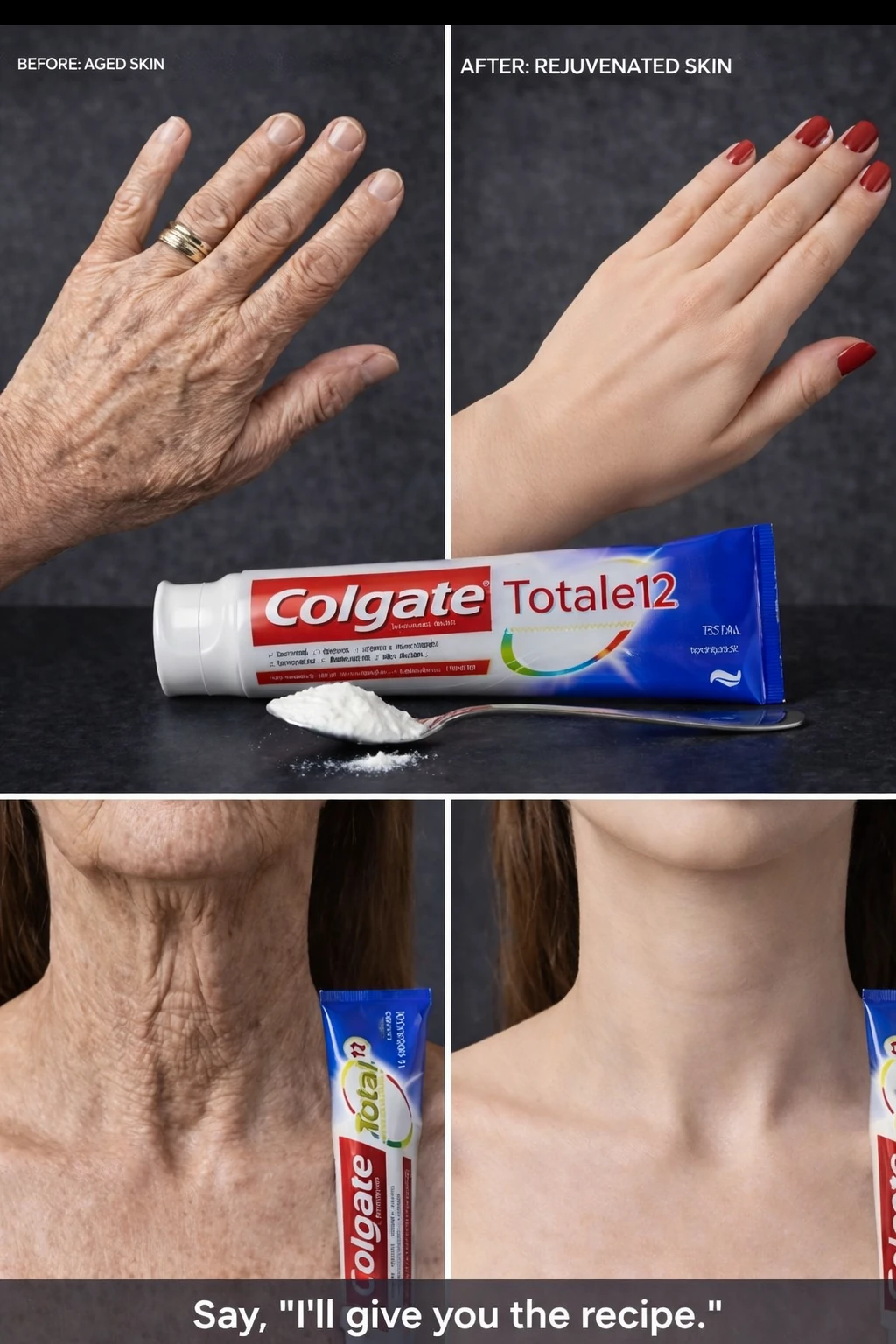
You’ve probably seen it scrolling online. A simple mix made from toothpaste and tomato juice, claimed to help with acne or dark spots. It sounds easy, inexpensive, and tempting—especially if you’re dealing with breakouts or uneven skin tone and want a quick fix at home.
But before trying anything new on your skin, it helps to pause and understand what’s really going on. Skin is sensitive, and not every trending tip is suitable for regular use. Some methods may offer short-term results, while others can cause irritation if used incorrectly.
Why people try simple home remedies for skin concerns
Skin issues like acne, dark spots, and uneven tone are very common. Many people look for affordable, accessible options before turning to professional treatments.
Home remedies can feel appealing because:
- Ingredients are easy to find
- The process is simple
- It may seem more “natural” or gentle
- There is a sense of control over your routine
However, not all DIY treatments are well-suited for skin. Even common household products can behave differently when applied to delicate areas like the face.
The toothpaste and tomato mixture: what it involves
This viral method typically includes:
- 1 tablespoon of toothpaste
- 1 tablespoon of fresh tomato juice
The mixture is applied to areas like pimples or dark spots and left on for about 20–30 minutes before rinsing.
At first glance, both ingredients seem harmless. But their effects on skin are worth understanding more carefully.
How these ingredients may interact with your skin
Toothpaste
Toothpaste is designed for teeth—not skin. It may contain ingredients such as:
- Mild abrasives
- Flavoring agents
- Detergents
- Whitening compounds
Some of these can dry out the skin, which might temporarily reduce the appearance of a pimple. However, they can also disrupt the skin barrier, leading to irritation, redness, or sensitivity—especially with repeated use.
Tomato juice
- May gently exfoliate the skin
- May support a brighter appearance
- May help reduce excess oil
However, their acidity can also be irritating, particularly for sensitive skin types or when combined with other strong ingredients.
Why the results can be misleading
Some people report that their skin looks clearer after using this mixture. There are a few reasons this can happen:
- Temporary drying of pimples
- Mild exfoliation from acidity
- Short-term tightening effect
But these changes are often surface-level. Over time, repeated use may lead to dryness or irritation, which can actually make skin concerns more noticeable.
A more balanced perspective
It’s important to approach viral skincare tips with realistic expectations. This type of mixture may:
- Help dry out a single pimple occasionally
- Provide a temporary brightening effect
But it is not a long-term solution for acne or skin discoloration. Skin health tends to improve more consistently with gentle, regular care rather than quick fixes.
When to be extra cautious
You may want to avoid this method if you have:
- Sensitive or reactive skin
- Existing irritation or redness
- Dry or compromised skin barrier
Even for normal skin, testing a small area first can help reduce the risk of irritation.
A safer approach to trying new skincare ideas
- Using small amounts
- Limiting frequency (not daily)
- Monitoring how your skin reacts
- Stopping immediately if irritation appears
Your skin often responds best to consistency and gentle care rather than strong or frequent treatments.
What matters most for healthy-looking skin
Instead of relying on one viral method, focusing on a few basics can make a noticeable difference over time:
- Gentle cleansing
- Regular moisturizing
- Sun protection
- Balanced diet and hydration
These habits support your skin’s natural renewal process and may help improve overall appearance gradually.
— See Next Page —
ADVERTISEMENT
