
ADVERTISEMENT
Many women experience moments when simple comfort becomes a priority. This can happen after childbirth, during hormonal changes, or when dealing with everyday irritation or sensitivity. In these situations, gentle care routines can make a noticeable difference in how the body feels.
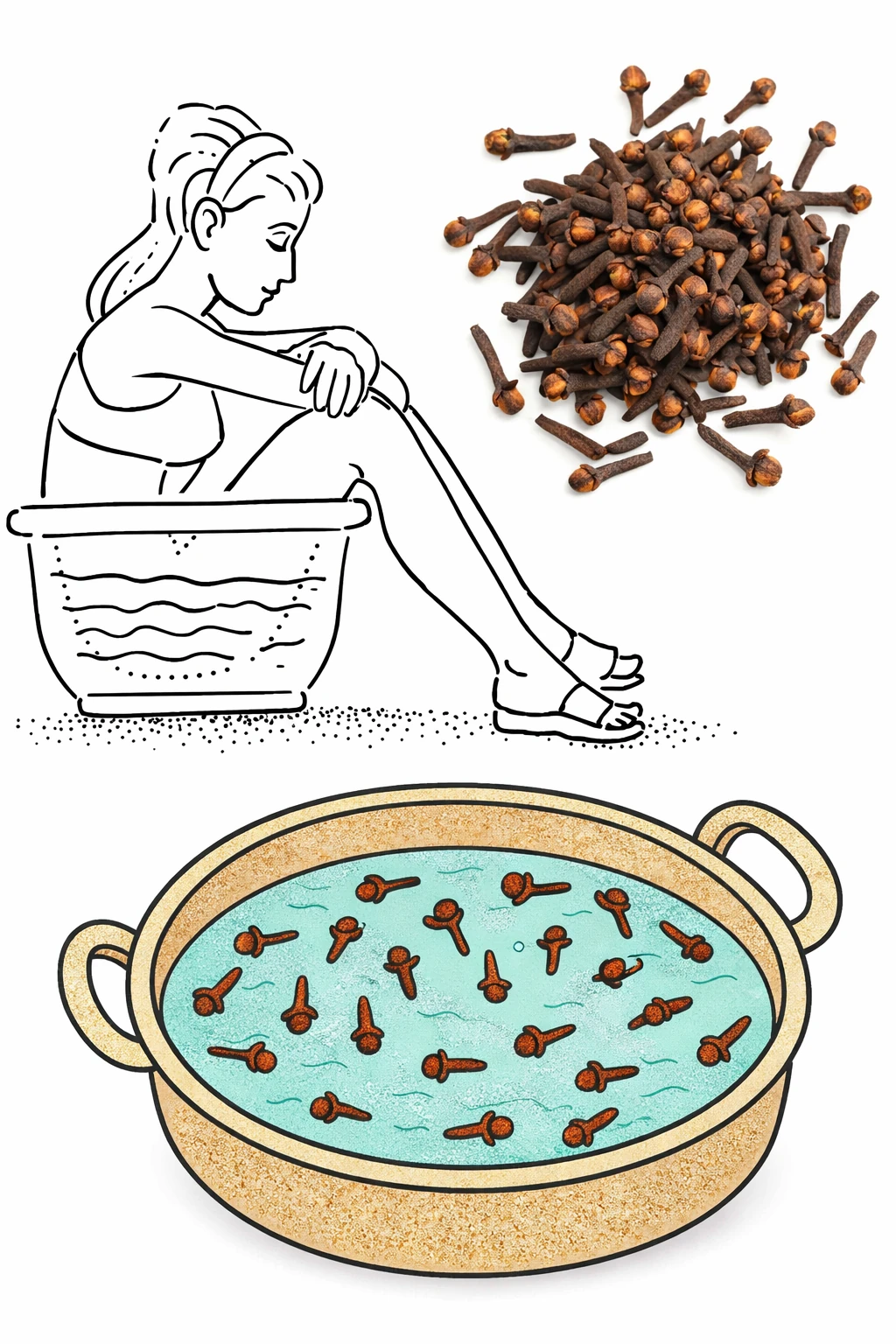
One traditional method that continues to gain attention is the sitz bath. This practice involves soaking the lower body in warm water to support comfort, cleanliness, and relaxation. When combined with natural ingredients such as cloves, it becomes a more intentional self-care routine.
Why Sitz Baths Are Commonly Used
A sitz bath focuses on the pelvic area and may help support comfort in several situations.
Women often turn to sitz baths for:
- postpartum recovery
- mild irritation or swelling
- hemorrhoid discomfort
- general hygiene and relaxation
Warm water alone can help improve circulation and provide a calming effect. When combined with mild herbal infusions, the experience may feel more soothing.
How Clove Water May Support Comfort
Cloves contain natural compounds such as eugenol, which is often associated with soothing and antimicrobial properties.
When used in a diluted infusion:
- it may help provide a calming sensation
- it may support a clean environment for sensitive skin
- it may contribute to overall comfort during recovery periods
It is important to note that clove preparations should always be properly diluted. Concentrated forms, such as essential oils, are not suitable for sensitive areas.
Common Situations Where Women Use Sitz Baths
Postpartum Recovery
After childbirth, the body may need time to recover from swelling, stretching, or minor tissue changes. A warm sitz bath may help support comfort during this period.
Hemorrhoid Discomfort
Warm water may help ease pressure and irritation. A gentle clove infusion may enhance the soothing experience.
Post-Menstrual Care
General Self-Care
Even without a specific concern, sitz baths can be used as part of a relaxing routine to support hygiene and well-being.
How to Prepare a Clove Water Sitz Bath
What You Will Need
- A sitz bath basin or clean bathtub
- 2–3 tablespoons whole cloves
- 2–4 cups water
- Clean towels
Step 1: Prepare the Clove Infusion
Bring water to a gentle boil. Add the cloves and allow them to simmer for about 10–15 minutes.
Remove from heat and let the mixture steep for an additional 10 minutes.
Strain the liquid and discard the cloves.
Step 2: Prepare the Bath
If using a sitz bath basin:
- Place it securely over the toilet seat
- Fill with warm water according to instructions
- Add the clove infusion
If using a bathtub:
- Ensure the tub is clean
- Fill with a few inches of warm water
- Add the clove infusion
Step 3: Check the Temperature
The water should feel warm and comfortable, not hot. Testing with your wrist or elbow can help avoid irritation.
Step 4: Soak
Step 5: Dry Gently
After soaking, pat the area dry with a soft towel. Avoid rubbing, as the skin may be sensitive.
Step 6: Clean Equipment
Wash the basin or tub thoroughly after each use to maintain hygiene.
Suggested Frequency
The frequency can vary depending on the situation:
- postpartum comfort: a few times daily if recommended
- hemorrhoid discomfort: during periods of irritation
- general hygiene: a few times per week
Always adjust based on comfort and professional guidance.
— See Next Page —
ADVERTISEMENT
