
ADVERTISEMENT
Best Showering Practices for Seniors
When you do shower, a few small changes can make a big difference:
- Use lukewarm water instead of hot water
- Keep showers short (5–10 minutes)
- Choose gentle, fragrance-free cleansers
- Pat skin dry instead of rubbing it
- Apply a moisturizer immediately after showering
These habits help reduce irritation and support the skin’s natural hydration.
Bathing Aids That Can Make Life Easier
- Shower chairs or stools for stability
- Handheld showerheads for better control
- Long-handled sponges to avoid strain
- Non-slip mats to reduce fall risk
These aids make bathing safer and more manageable, especially for those with limited mobility.
When More Frequent Washing May Be Needed
While less frequent showering works for many, there are situations where additional washing is appropriate:
- After physical activity or sweating
- During hot weather
- In case of medical conditions requiring extra hygiene
The key is to adapt your routine based on your lifestyle and comfort.
Final Thoughts
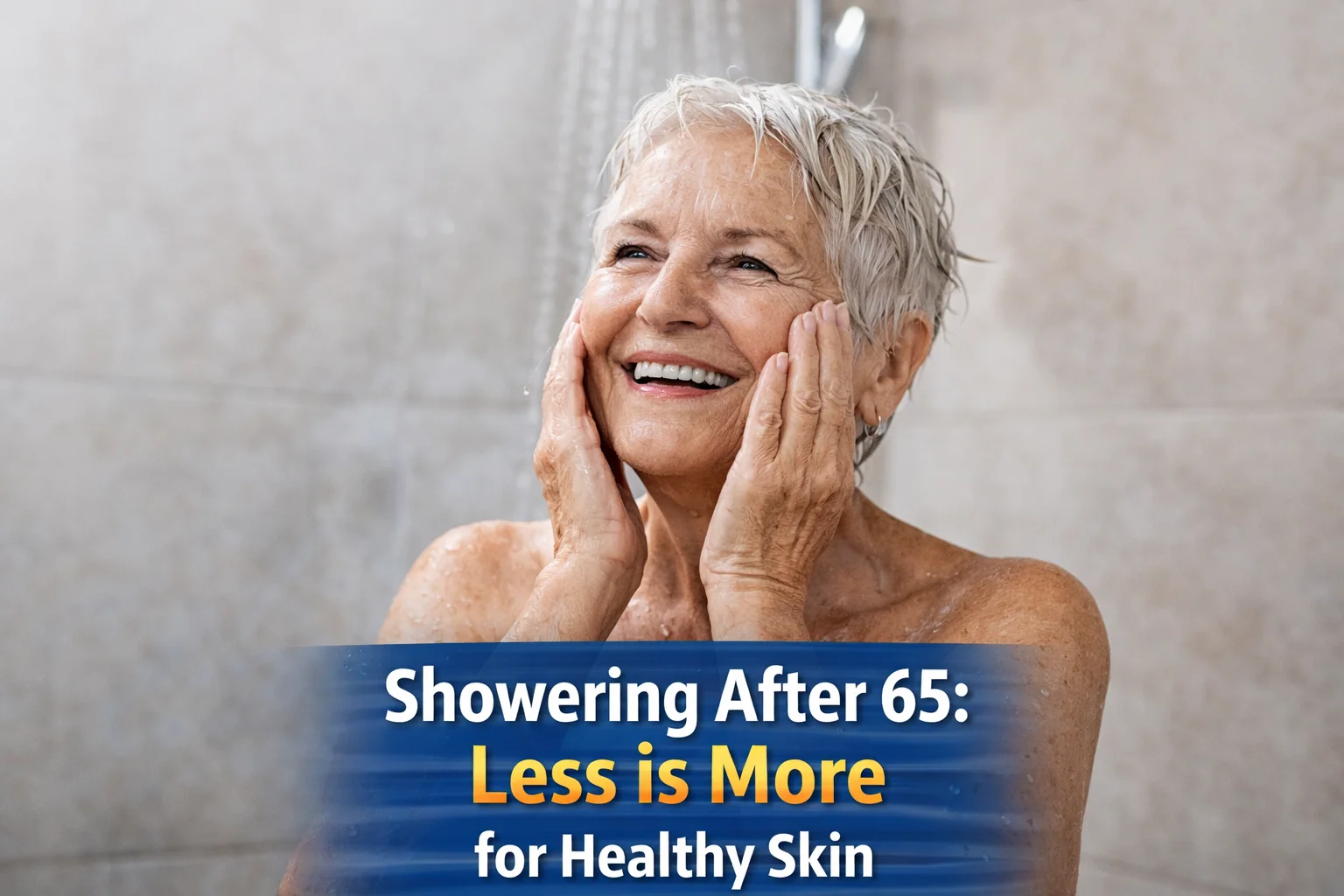
After age 65, healthy skin is less about frequent washing and more about gentle care. By reducing shower frequency and using the right techniques, it’s possible to stay clean while protecting the skin’s natural barrier.
A thoughtful routine can help maintain comfort, reduce dryness, and support overall well-being—without unnecessary stress on the skin.
ADVERTISEMENT
