
ADVERTISEMENT
Practical Habits That May Help Improve Sleep Posture
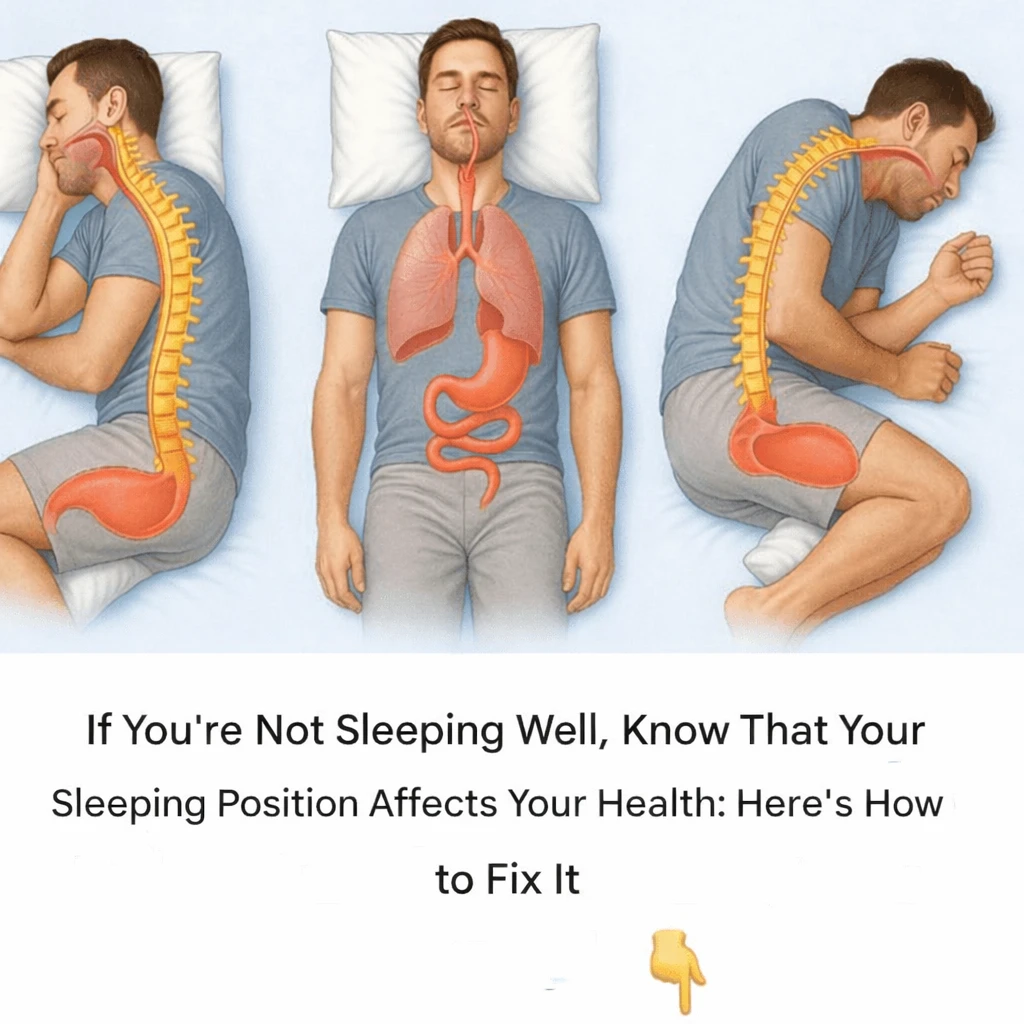
Improving sleep posture does not require dramatic changes. Small adjustments can sometimes make a noticeable difference in comfort.
Use a Pillow Between Your Knees
If you sleep on your side, placing a pillow between your knees may help keep the hips aligned.
Slightly Elevate Your Head
Raising your head slightly with a supportive pillow or an adjustable bed may help reduce mild reflux symptoms and support easier breathing.
The goal is gentle elevation rather than stacking multiple pillows, which may push the neck forward.
Choose the Right Pillow
A pillow that is too high or too flat can push the neck into an awkward angle.
Side sleepers often benefit from a thicker pillow that fills the space between the shoulder and head. Back sleepers may prefer a thinner pillow that supports the natural curve of the neck.
Support Your Spine With a Balanced Mattress
A mattress that is too soft may cause the hips to sink excessively. One that is too firm may create pressure points.
A medium-support mattress that allows the body to stay aligned may help maintain comfort throughout the night.
Common Sleep Position Mistakes
Even people who sleep in a generally healthy position sometimes develop habits that interfere with quality rest.
Starting the Night in a Poor Position
Many people fall asleep on their stomach simply because it feels familiar. Over time, however, this position may create neck tension.
Ignoring Persistent Snoring
Snoring is often dismissed as harmless noise. In some cases, however, it may signal airway obstruction during sleep.
Changing sleep position may reduce snoring for some people, but persistent or severe snoring should be discussed with a healthcare professional.
Using Too Many Pillows
Stacking pillows may feel comfortable at first, but it can push the neck forward and strain the spine
Using one supportive pillow designed for your preferred sleep position may provide better alignment.
Frequently Asked Questions
Is sleeping on your back always bad?
Not necessarily. Back sleeping may support spinal alignment for many people. However, individuals who experience snoring or breathing interruptions during sleep may find side sleeping more comfortable.
Is it possible to change your natural sleeping position?
Yes. While it may take time, placing supportive pillows around the body or behind the back can gently encourage a new sleep posture.
Do orthopedic pillows really help?
Supportive pillows designed to maintain neck alignment may contribute to improved comfort for some sleepers. The effectiveness often depends on matching the pillow to your preferred sleeping position.
Is stomach sleeping always harmful?
A Balanced Approach to Better Sleep
Your sleeping position is only one part of overall sleep quality, but it can play a meaningful role in how rested you feel each morning.
Small adjustments such as improving pillow support, maintaining spine alignment, and starting the night in a comfortable position may contribute to better rest over time.
Most importantly, pay attention to how your body feels. If you consistently wake with discomfort or fatigue, adjusting your sleep posture may be a simple place to begin exploring solutions.
Better sleep often starts with small changes—and sometimes the position you choose at bedtime may be one of them.
ADVERTISEMENT
