
ADVERTISEMENT
You open a bag of lettuce, pour it straight into a salad bowl, and serve dinner in minutes. For many households across the United States, pre-washed bagged lettuce has become a simple way to save time during busy evenings.
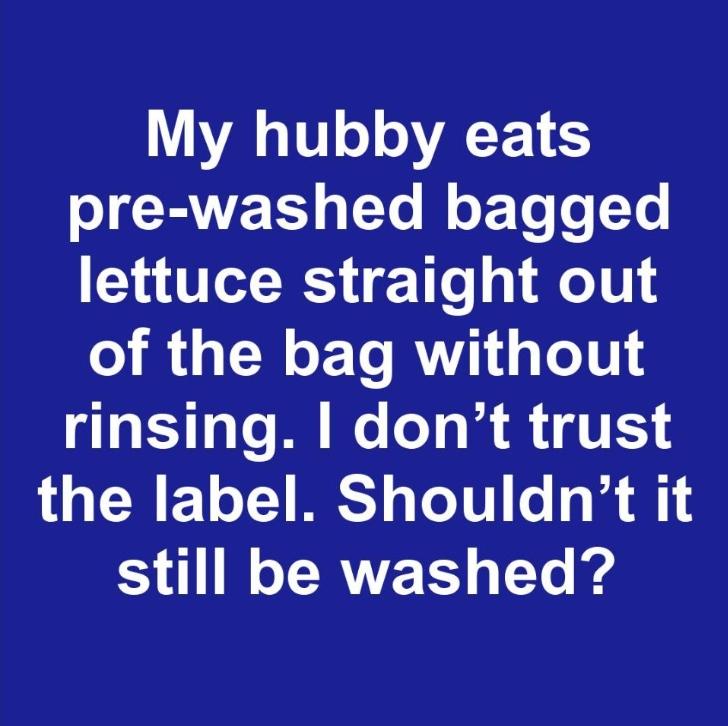
But a common question often comes up in the kitchen: Should you wash lettuce that already says “triple washed” or “ready to eat”?
Understanding how pre-washed lettuce is processed, what food safety guidelines say, and when a rinse might still make sense can help consumers feel more confident about their choice.
Why Pre-Washed Lettuce Became So Popular
Bagged salad greens were introduced to make fresh vegetables easier to use. Instead of washing, trimming, and drying whole lettuce heads, consumers can simply open the package and prepare a meal quickly.
This convenience has made pre-washed lettuce one of the most widely purchased fresh produce items in U.S. grocery stores.
Most packages include labels such as:
- “Pre-washed”
- “Triple washed”
- “Ready to eat”
These labels are meant to indicate that the lettuce has already been cleaned and prepared for consumption.
However, knowing what those labels actually mean helps clarify whether additional washing is necessary.
What “Triple Washed” Actually Means
Before packaged lettuce reaches grocery stores, it goes through several processing steps.
Typically, the lettuce is:
- Harvested in the field
- Transported to a processing facility
- Trimmed and sorted
- Washed multiple times in large tanks
- Dried and packaged
This process is why many bags are labeled “triple washed.” The repeated washing stages are intended to remove contaminants before packaging.
Because the lettuce is handled in controlled facilities, it is generally considered safe to eat directly from the bag.
U.S. Food Safety Standards for Packaged Lettuce
In the United States, fresh produce processing is regulated by federal safety standards.
Agencies such as the U.S. Food and Drug Administration (FDA) oversee produce safety through guidelines that encourage safe handling practices.
These guidelines include:
- Good Agricultural Practices (GAPs)
- Good Manufacturing Practices (GMPs)
- Sanitation controls
- Pathogen testing
- Equipment cleaning standards
Producers must also monitor water quality and maintain clean processing environments.
These safety systems are designed to reduce contamination risks before the lettuce reaches consumers.
Why Some Consumers Still Prefer to Rinse It
Even though bagged lettuce is labeled ready to eat, some people feel more comfortable giving it a quick rinse.
Their reasons may include:
- Removing any remaining debris
- Personal food safety habits
- Reducing possible pesticide residue
- Added peace of mind
In households where someone has a more cautious approach to food safety, a brief rinse may simply feel like a sensible extra step.
However, experts often note that washing already-washed lettuce does not necessarily reduce bacterial risk in a significant way.
Can Additional Washing Reduce Risk?
Rinsing lettuce under clean running water may remove loose particles such as soil or small debris.
However, washing at home may not remove bacteria that have already attached to the leaves.
In some situations, washing could even introduce contamination if the sink, hands, or utensils are not clean.
For this reason, food safety guidance often focuses on safe handling practices, not only washing.
These include:
- Refrigerating lettuce promptly
- Avoiding damaged bags
- Keeping preparation surfaces clean
Understanding these practices can help reduce risk regardless of whether you rinse the lettuce.
— See Next Page —
ADVERTISEMENT
