
ADVERTISEMENT
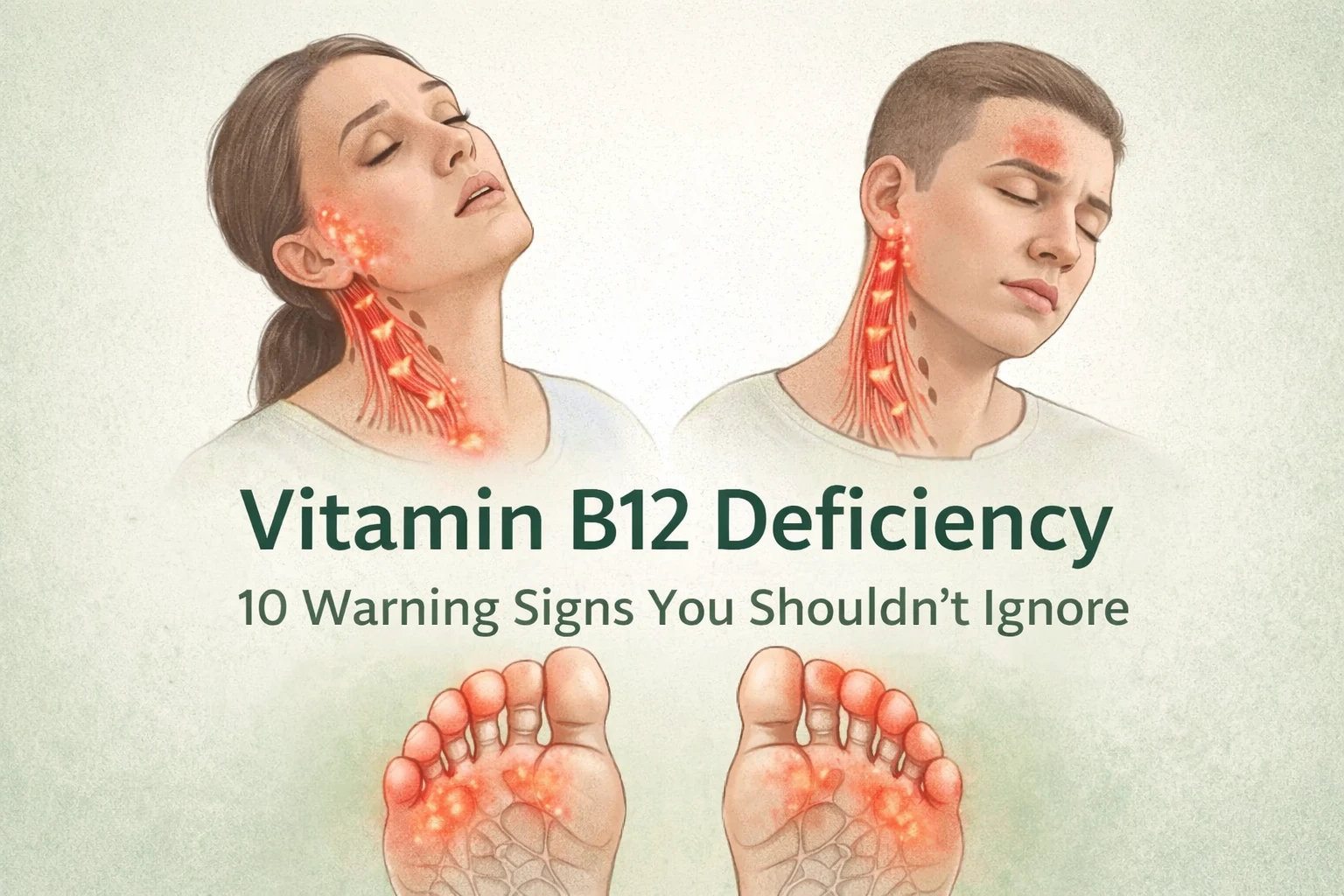
Vitamin B12 Deficiency — The Silent Thief of Energy and Nerve Health
How Vitamin B12 Deficiency Is Diagnosed
A healthcare professional can evaluate B12 levels using a blood test. In some cases, additional markers are checked to get a clearer picture, especially if symptoms are present but levels appear borderline.
These may include indicators related to metabolism and red blood cell health.
Treatment Options
- Oral supplements are often used for mild cases
- Sublingual forms may help in certain situations
- Injections are typically used when absorption is limited
- Dietary adjustments help maintain long-term balance
Treatment plans are usually simple and effective when started early.
Foods That Provide Vitamin B12
Including B12-rich foods can support healthy levels:
- Shellfish such as clams and oysters
- Organ meats like liver
- Fish including salmon and tuna
- Dairy products such as milk and yogurt
- Eggs
- Fortified foods like cereals and plant-based alternatives
For those who avoid animal products, fortified foods or supplements are often necessary.
When to Seek Medical Advice
It is advisable to consult a healthcare provider if you notice:
- Ongoing fatigue that does not improve
- Tingling or numbness in the limbs
- Balance or coordination difficulties
- Memory or concentration issues
If symptoms become more noticeable or affect daily life, timely evaluation is important.
What Happens If It Is Ignored
Without proper attention, vitamin B12 deficiency may lead to:
- Long-term nerve issues
- Cognitive decline
- Increased risk of falls due to balance problems
- More severe forms of anemia
These outcomes develop gradually, which is why early detection matters.
The Bottom Line
Vitamin B12 deficiency is more common than many realize. Its signs are often subtle and easy to dismiss. Fatigue, brain fog, and tingling sensations are not always “normal” effects of stress or aging.
A simple check can provide clarity and help you take the right steps toward better energy and overall well-being.
ADVERTISEMENT
