
ADVERTISEMENT
Practical Ways to Use a Stringy Avocado
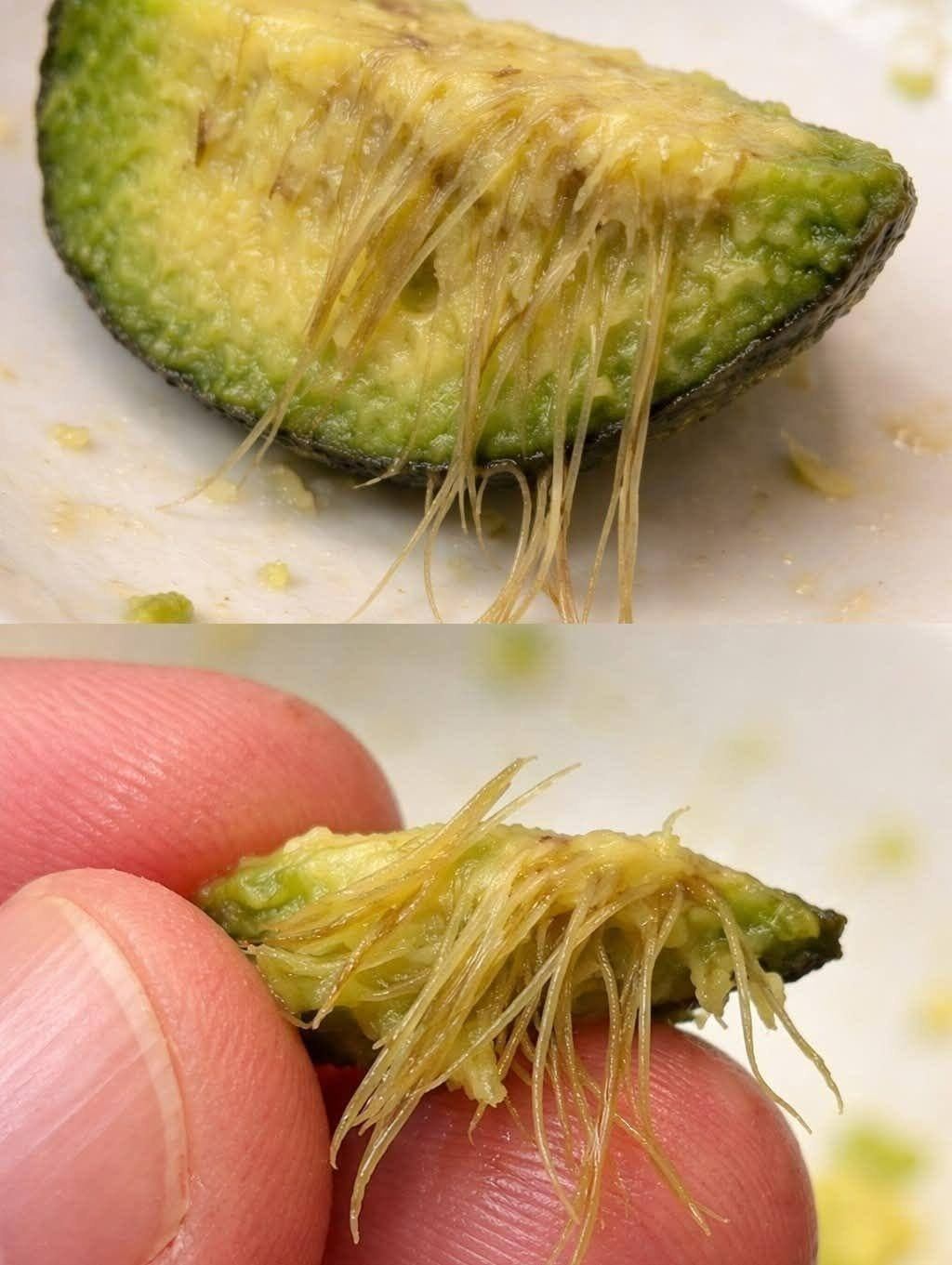
If you cut into a stringy avocado, you don’t necessarily need to throw it away.
Here are a few simple ways to work around the texture:
1. Mash It Thoroughly
Adding ingredients like lime juice, salt, and spices may also improve the overall texture.
2. Remove Larger Fibers
If the strings are noticeable, you can gently pull them out with a fork or spoon.
This works best when the fibers are concentrated in one area.
3. Use It in Blended Recipes
Stringy avocados work well in recipes where texture is less noticeable, such as:
- smoothies
- salad dressings
- spreads
Blending helps create a smoother consistency.
4. Scoop Around the Fibrous Sections
If only part of the avocado is stringy, you can use the smoother portions and discard the tougher areas.
How to Choose Avocados That May Be Less Stringy
While it’s not always possible to predict texture from the outside, a few tips may help improve your chances.
Look for Balanced Firmness
Choose avocados that:
- yield slightly to gentle pressure
- are not overly hard
- are not too soft
Check Weight and Feel
Avocados that feel heavy for their size often have better moisture content, which may contribute to a smoother texture.
Buy from High-Turnover Stores
Stores with frequent restocking may offer fresher produce, which can improve overall quality.
Let Them Ripen Naturally
Allow avocados to ripen at room temperature.
Once ripe, placing them in the refrigerator can help maintain texture for a few days.
Common Mistakes to Avoid
Trying to Force Ripening Too Quickly
Using methods like microwaving or overheating can affect texture and may make the avocado less pleasant to eat.
Assuming Strings Mean Spoilage
Fibers alone do not mean the fruit is bad. Always check smell, color, and overall condition before discarding.
Storing Unripe Avocados in the Refrigerator
Cold temperatures can slow ripening too much and affect texture development.
Frequently Asked Questions
Why do some avocados have strings and others don’t?
Are stringy avocados less nutritious?
No. The nutritional value remains largely the same, even if the texture is different.
Can cooking remove the strings?
Cooking may soften the texture slightly, but it may not completely remove the fibers. Blending is often more effective.
Is this problem seasonal?
Texture can vary slightly by season and growing region, though avocados are available year-round.
A Simple Way to Look at It
A stringy avocado can feel disappointing, especially when you expect a smooth texture. However, it is usually a natural variation rather than a sign of poor quality or spoilage.
With a few adjustments—like mashing, blending, or removing fibers—you can still use the fruit effectively and avoid unnecessary waste.
Understanding what causes these strings can make the experience less frustrating and help you feel more confident the next time you prepare an avocado.
In most cases, those thin strands are simply part of how the fruit developed—and your avocado is still perfectly usable.
ADVERTISEMENT
