
ADVERTISEMENT
It’s a familiar feeling if you enjoy browsing estate sales. You spot something unusual, pick it up, turn it over in your hands… and suddenly you’re curious. Not because it’s expensive or rare, but because you simply don’t know what it is.
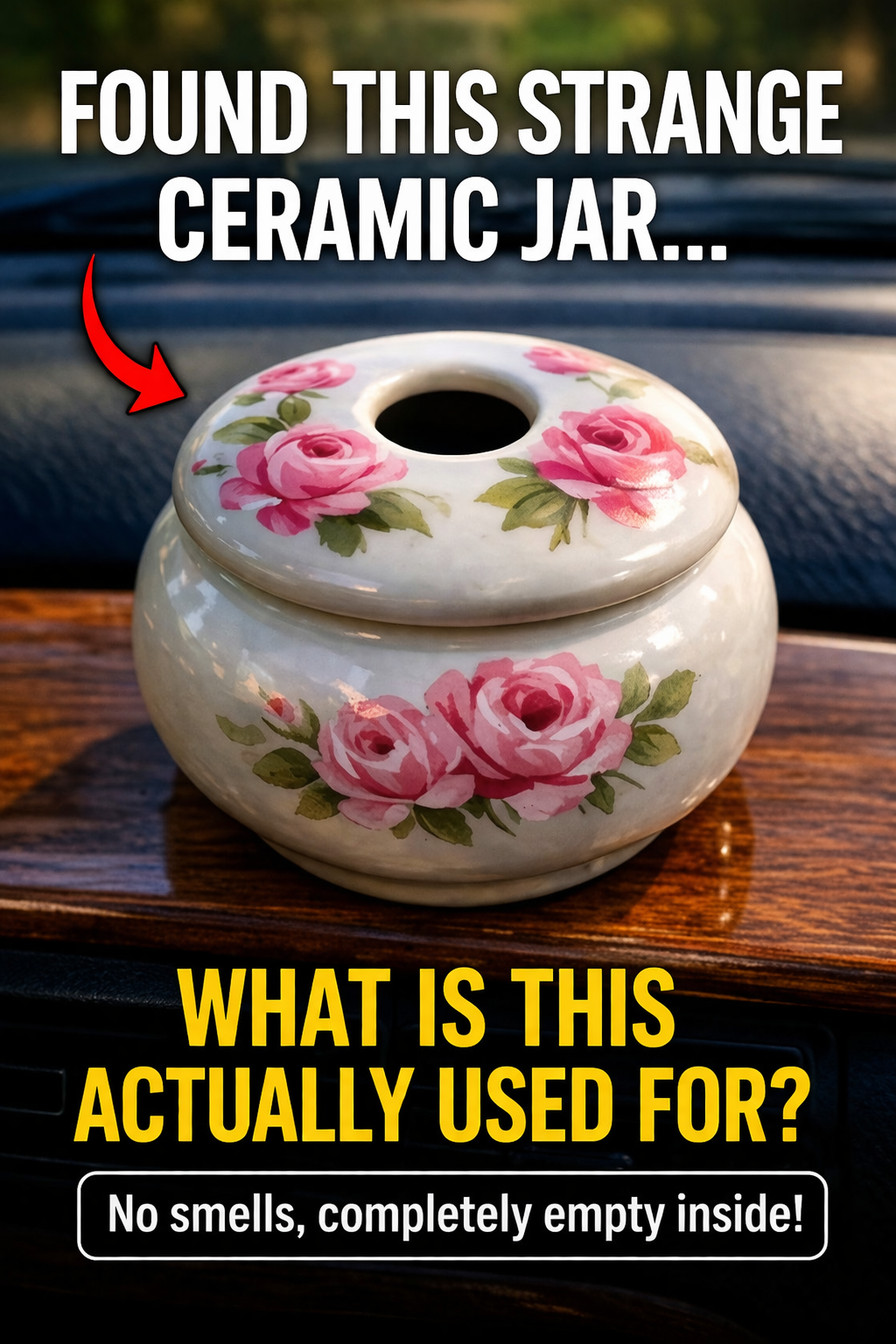
That’s exactly what happened with this small ceramic jar.
No smell. No residue. Completely empty.
At first glance, it doesn’t quite make sense.
So what is it?
And more importantly, why does it matter?
Understanding objects like this can offer a small window into how people lived, what they valued, and how everyday routines used to work. Even a simple jar can tell a quiet story.
Why This Type of Find Is Worth a Closer Look
Objects from estate sales are often overlooked because they don’t come with instructions. But that’s also what makes them interesting.
Items like this ceramic jar may help you:
- Learn about forgotten daily habits
- Recognize antique value
- Make smarter resale or collecting decisions
- Add meaningful pieces to your home
Instead of guessing or discarding, taking a moment to understand the object can turn a confusing find into something meaningful.
First Clues: Shape, Size, and Design
The jar is relatively small—about 5 inches tall and 4 inches wide. That size suggests it was meant for personal or tabletop use, not storage.
The floral design is soft and detailed. Hand-painted decorations like this were especially common in the late 1800s and early 1900s, particularly on items used in bedrooms or dressing areas.
But the most important clue is the lid.
The Hole in the Lid
The hole is cleanly made and centered. That tells us it wasn’t damage—it was intentional.
This single feature changes everything. It suggests the jar was designed for something to be placed inside regularly, likely in small amounts, and without needing to remove the lid each time.
That narrows down the possibilities quite a bit.
A Likely Answer: A Vintage Hair Receiver
After comparing these features with known antique items, there’s a strong possibility this jar is what’s called a hair receiver.
What Was a Hair Receiver Used For?
A hair receiver was used to collect loose strands of hair from a brush or comb.
Instead of throwing hair away, people would place it into the jar through the hole in the lid.
This may seem unusual today, but at the time, it was a practical habit.
Why People Kept Their Hair
In the past, hair was often reused in ways that may feel unfamiliar today.
Collected hair could be used for:
- Filling pincushions
- Creating small hairpieces
- Crafting decorative items or keepsakes
It wasn’t about waste—it was about making use of available materials in everyday life.
This small jar, then, was not decorative alone. It played a functional role in daily routines.
Design Details That Support This Identification
Several features align closely with known hair receivers:
Size and Proportions
Small enough to sit on a vanity or dresser without taking up space.
Decorative Style
Floral patterns were very common in personal grooming items.
Lid Function
The hole allows easy placement of hair without opening the container.
Material
Porcelain or ceramic was widely used for vanity sets.
When all these elements come together, the explanation becomes much more consistent.
A Glimpse into Everyday Life
Objects like this may seem minor, but they reflect a different rhythm of life.
Daily grooming was often slower and more deliberate. Items were designed to be both practical and visually pleasing.
This jar may have sat beside a mirror, used quietly each day, part of a routine that felt completely normal at the time.
Today, it stands out as unusual—but that contrast is what makes it interesting.
What to Check Next
If you own a similar item, you might look for:
- A maker’s mark on the bottom
- Signs of hand-painting versus printed design
- Matching pieces from a set
- Condition of the glaze and lid
These details can help you better understand its origin and possible value.
Practical Ways to Use or Display It Today
— See Next Page —
ADVERTISEMENT
