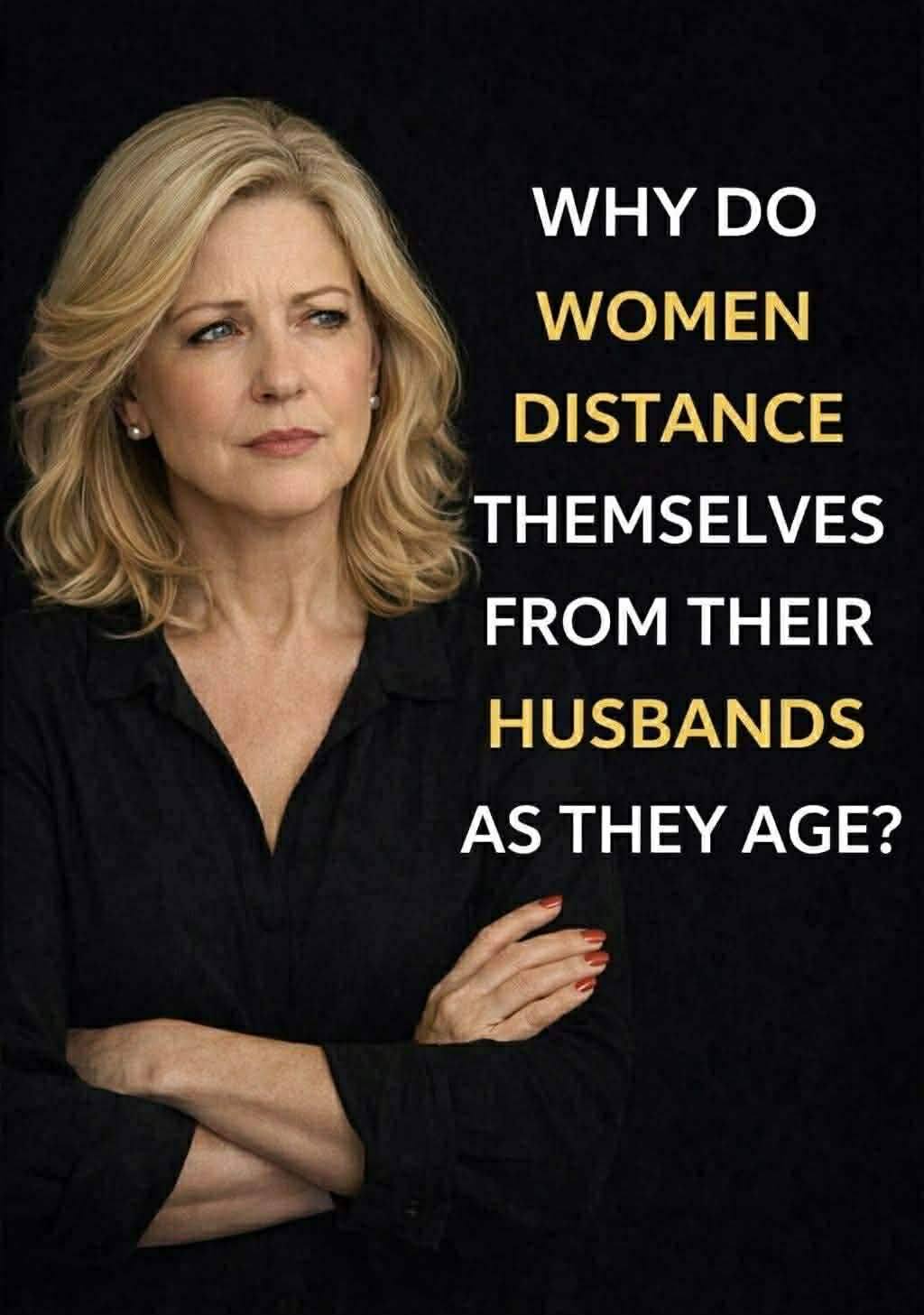
Marriage often begins with excitement, closeness, and a sense that two people are building a life together. In the early years, conversations may feel effortless, affection comes naturally, and spending time together can feel easy.
But life changes.
Careers become more demanding. Children may enter the picture. Financial responsibilities grow. Daily routines become crowded with obligations and stress.
Over time, some couples notice a shift.
One partner may seem quieter. Conversations become shorter. Emotional closeness feels less natural than before.
This experience sometimes leads people to ask difficult questions:
“Why does it feel like we’re growing apart?”
In some relationships, people assume emotional distance automatically means love has disappeared. But relationship experts often point to another possibility: emotional exhaustion and relationship burnout.
In many cases, distance is not about caring less.
It may be about carrying too much.
Why This Topic Matters
Many couples quietly experience periods of emotional disconnection.
It can happen after years of balancing work, parenting, caregiving responsibilities, health concerns, financial pressure, and changing personal needs.
Women, in particular, often manage multiple roles at once. They may balance careers, household responsibilities, emotional support for family members, and caregiving duties.
Over time, constant emotional output without enough recovery can create fatigue.
That fatigue may gradually appear as emotional withdrawal.
Not because connection no longer matters.
But because energy becomes limited.
Understanding these patterns may help couples respond with awareness rather than assumptions.
What Is Relationship Burnout?
Relationship burnout is a form of emotional exhaustion that develops gradually over time.
Unlike major conflict, it often appears quietly.
Signs may include:
- Feeling emotionally drained
- Reduced excitement around conversations
- Increased irritability
- Less physical affection
- Feeling misunderstood
- Avoiding meaningful discussions
- Wanting more time alone
These experiences do not automatically mean a relationship is failing.
Often they signal stress, overload, or unmet emotional needs.
Common Reasons Emotional Distance May Develop
Work Stress and Daily Pressure
Long workdays can affect emotional energy.
When people spend most of the day solving problems, meeting deadlines, and managing responsibilities, there may be very little energy left at home.
Conversations sometimes shift toward schedules and logistics:
“Did you pay the bill?”
“Who is picking up the kids?”
“What’s happening tomorrow?”
Important discussions become practical rather than personal.
Over time, emotional connection can quietly take a back seat.
Parenting Changes Relationship Dynamics
Children bring joy and meaning.
They also bring responsibility.
Sleep disruptions, caregiving routines, school schedules, and daily demands can create exhaustion.
Many couples eventually describe feeling more like household teammates than romantic partners.
This shift is common and often temporary, but without attention it may create emotional distance.
Unrealistic Expectations
Movies, social media, and idealized relationship stories sometimes create unrealistic standards.
Healthy marriages are not constantly exciting.
Real relationships include routine, compromise, disagreements, and changing seasons of life.
Expecting permanent intensity can sometimes create disappointment where normal change exists.
— See Next Page —