
ADVERTISEMENT
When Food Doubt Turns Into a Real Kitchen Dilemma
Almost every household faces this moment. You open the fridge, reach for deli meat, and pause. The color looks slightly off. The smell isn’t terrible, but it’s not fresh either. Someone nearby says it’s wasteful to throw it away. You hesitate, caught between avoiding waste and protecting your family.
This situation matters because it reflects a common tension in modern kitchens: balancing thrift with safety. Many people grew up in households where food waste was strongly discouraged. At the same time, today’s understanding of food safety is more precise than it was decades ago. The decision isn’t about being careless or overly cautious. It’s about knowing what signs to look for and how risk actually works.
Why Deli Meat Spoils Faster Than People Expect
Deli meat is convenient, but it’s also highly perishable. Once opened or sliced, it’s exposed to air and moisture. These conditions allow bacteria to multiply more quickly than in sealed, shelf-stable foods.
Even under refrigeration, time matters. Most pre-packaged deli meats are safest within about 7 to 10 days after opening. Freshly sliced deli counter meat often has a shorter window, usually 3 to 5 days, because it contains fewer preservatives.
These timelines assume proper storage. If the refrigerator runs warm or the package sits open frequently, spoilage may occur sooner.
Knowing the general shelf life helps remove guesswork. It turns the decision into a practical evaluation instead of an emotional one.
The Signs Your Senses Shouldn’t Ignore
Food safety often begins with observation. Deli meat that is no longer fresh tends to show visible and sensory clues.
Common warning signs include:
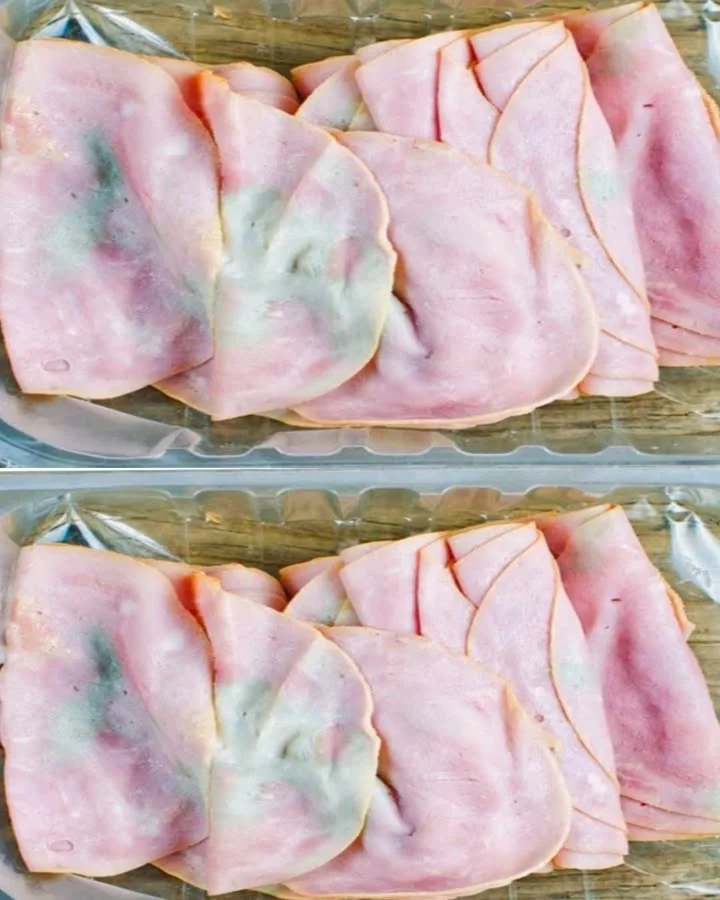
- A sour or unusual odor
- A slimy or sticky surface
- Grayish or dull color changes
- Mold spots or fuzzy growth
These signals suggest bacterial activity or decomposition. Even if the smell is mild, texture changes are important. A slick film on the surface is a strong indicator that the product has passed its safe window.
Your senses evolved to detect spoilage. When something looks or feels wrong, that reaction is protective rather than wasteful.
Why This Choice Matters for Household Health
Young children, older adults, pregnant individuals, and people with weakened immune systems are more vulnerable to complications. In shared households, it’s difficult to predict who might be affected more severely.
The issue isn’t panic. It’s probability. Even if illness doesn’t occur every time spoiled food is eaten, the risk increases once spoilage signs appear.
A small portion of discarded food is often less costly than the disruption of preventable illness.
— See Next Page —
ADVERTISEMENT
