
ADVERTISEMENT
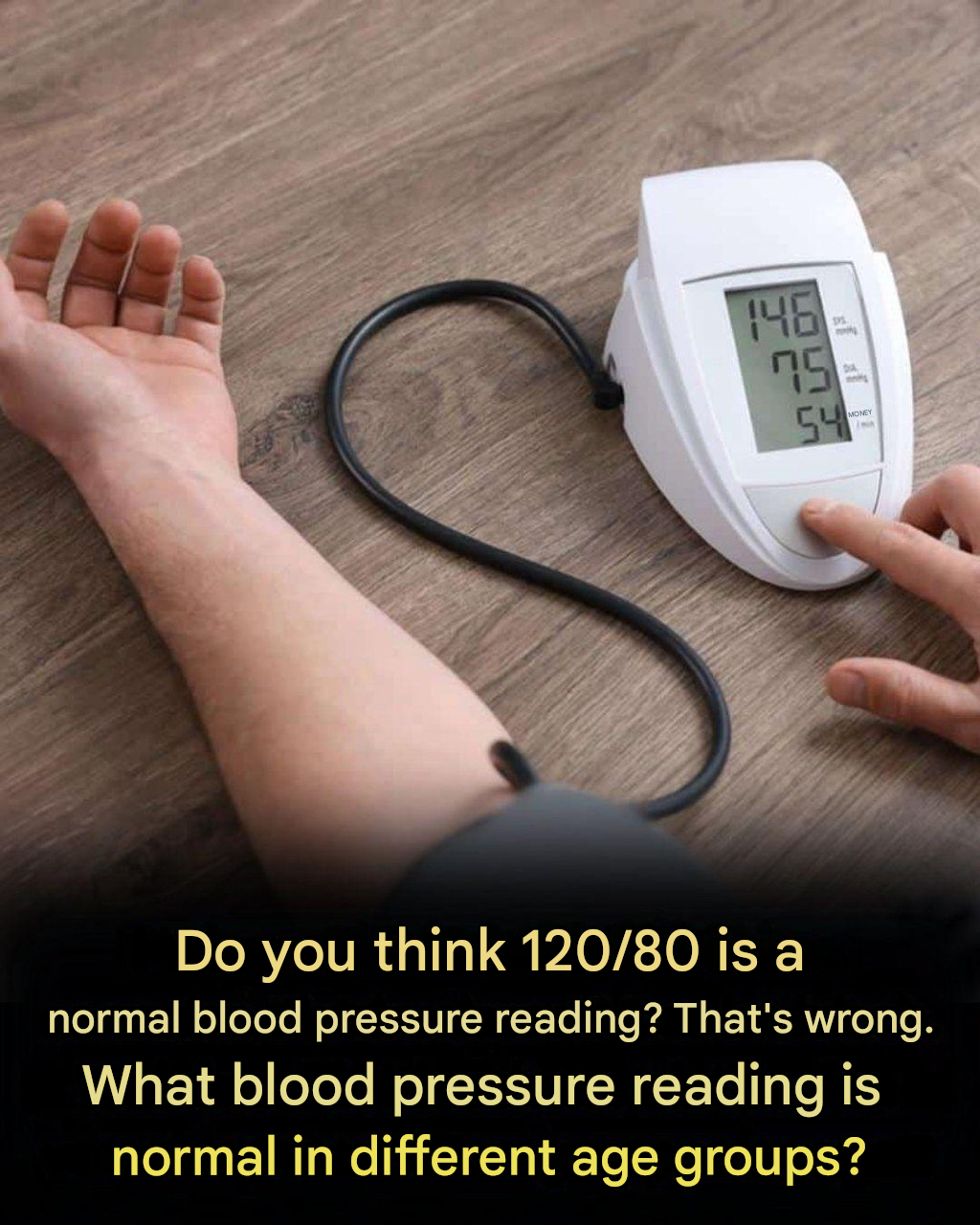
Blood pressure is one of the most important indicators of overall health. It reflects how hard your heart is working to circulate blood throughout your body. While many people recognize the number 120/80 mmHg as a “normal” reading, the reality is more nuanced.
What is considered healthy can vary depending on age, lifestyle, and individual health conditions. Understanding these variations helps you make better decisions and avoid long-term cardiovascular risks.
Blood Pressure Categories for Adults
| Category | Systolic (Upper) | Diastolic (Lower) |
|---|---|---|
| Normal | Less than 120 mmHg | Less than 80 mmHg |
| Elevated | 120–129 mmHg | Less than 80 mmHg |
| Stage 1 Hypertension | 130–139 mmHg | 80–89 mmHg |
| Stage 2 Hypertension | 140 mmHg or higher | 90 mmHg or higher |
| Hypertensive Crisis | Over 180 mmHg | Over 120 mmHg |
A key update in recent years:
High blood pressure is now diagnosed starting at 130/80 mmHg, not 140/90 as previously used.
Average Blood Pressure by Age and Sex
Although 120/80 mmHg remains a strong target, average readings tend to increase slightly with age due to natural changes in the body.
| Age Group | Women (Average) | Men (Average) |
|---|---|---|
| 18–39 years | 110–120 / 70–80 mmHg | 115–125 / 70–80 mmHg |
| 40–59 years | 120–130 / 75–85 mmHg | 120–135 / 75–85 mmHg |
| 60+ years | 130–140 / 70–90 mmHg | 130–140 / 70–90 mmHg |
Important clarification:
These are average observed values, not ideal targets. Lower readings—closer to 120/80 mmHg or below—are generally better for long-term heart health.
Why Blood Pressure Increases With Age
Several biological and lifestyle factors contribute to rising blood pressure over time:
- Arterial stiffness
Blood vessels gradually lose flexibility, making it harder for blood to flow smoothly. - Plaque buildup
Cholesterol deposits can narrow arteries and increase pressure. - Hormonal changes
Especially after menopause, women may experience shifts that affect blood pressure. - Lifestyle habits
Diet, inactivity, stress, and weight all play a major role.
These changes are common, but they are not unavoidable. Daily habits can strongly influence how your blood pressure evolves over time.
How to Maintain Healthy Blood Pressure at Any Age
— See Next Page —
ADVERTISEMENT
