
ADVERTISEMENT
Many people are trying to eat better, but it often feels confusing. One day fats are considered harmful, the next day they are encouraged. In the middle of all this, simple foods like avocado can be misunderstood or overlooked.
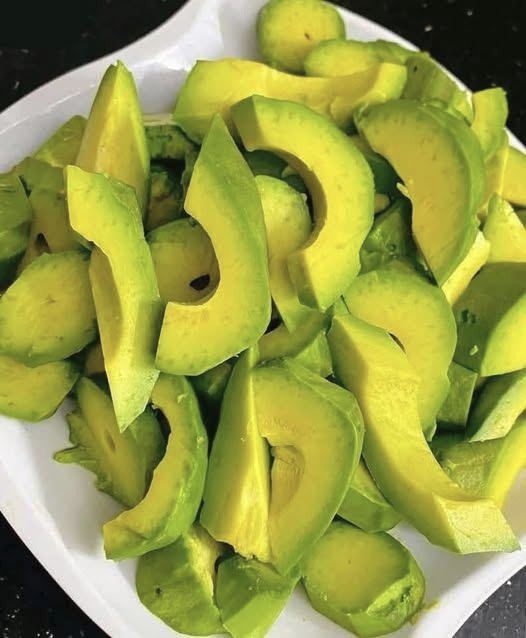
Avocado stands out because it combines taste, convenience, and nutritional value in a way few foods do. It can be added to salads, spreads, or meals without much effort. More importantly, it contains a combination of nutrients that may support overall health when included in a balanced diet.
Why Avocado Still Matters in Modern Diets
For years, high-fat foods were avoided. Today, the conversation is more nuanced. Not all fats behave the same way in the body. Avocados contain mostly unsaturated fats, which are generally considered a better option compared to highly processed fats.
This matters because food choices are not just about calories. They also influence how full you feel, how your body processes nutrients, and how sustainable your eating habits are over time.
A Natural Source of Antioxidants
Avocados contain compounds known as carotenoids. These natural plant pigments act as antioxidants, helping the body manage oxidative stress.
What makes avocado particularly useful is that these compounds are fat-soluble. This means they are better absorbed when eaten with fat. Since avocado already contains healthy fats, it naturally supports the absorption of these nutrients.
Adding avocado to meals that include vegetables—such as salads—can improve how your body uses these nutrients.
Satiety and Eating Habits
Despite being calorie-dense, avocado may support better eating habits. Foods that combine fiber and healthy fats tend to be more satisfying.
This can lead to more balanced portion control throughout the day. Instead of frequent snacking or overeating, meals that include avocado may help you feel satisfied for longer.
It is not a weight-loss solution on its own, but it can contribute to more stable eating patterns when part of a consistent routine.
Support for Heart Health
- They may support higher levels of HDL (often called “good” cholesterol)
- They may help manage LDL (“bad” cholesterol) when combined with a balanced diet
These effects depend on overall lifestyle, not just one food. However, replacing highly processed fats with whole-food sources like avocado is generally considered a positive step.
A Valuable Source of Key Nutrients
Avocados provide a wide range of vitamins and minerals that support normal body functions:
- Potassium: contributes to fluid balance and muscle function
- Vitamin K: supports normal blood function
- B vitamins: play a role in energy metabolism
- Vitamin C: contributes to immune system support
They also contain folate, which is especially important during periods of growth, including pregnancy, as it supports normal cell development.
Fiber for Digestive Balance
Dietary fiber is often lacking in modern diets. Avocado contains a significant amount of fiber, which may support:
- Regular digestion
- Stable blood sugar levels
- A feeling of fullness after meals
Fiber works best when combined with proper hydration and a varied diet.
Brain and Circulation Support
Some nutrients in avocado may support healthy blood flow. Since the brain depends on steady circulation, this can indirectly contribute to normal cognitive function.
This does not mean avocado prevents cognitive decline, but it can be part of a diet that supports overall vascular health.
Natural Protection and Lower Pesticide Exposure
While this does not eliminate all concerns, it is one reason avocados are often considered a lower-risk option in terms of surface pesticide residue.
A Note on Inflammation
Avocados contain plant compounds such as phytosterols and carotenoids. These nutrients may help the body regulate natural inflammatory responses.
This is not a treatment for inflammatory conditions, but it supports the idea that whole foods can contribute to long-term balance in the body.
What About Avocado Seeds?
Many people discard the seed without a second thought. However, interest in avocado seeds has grown due to their potential compounds and their role in scientific research.
Before drawing conclusions, it is important to separate early research findings from practical, everyday use.
This topic deserves a closer, more careful look.
— See Next Page —
ADVERTISEMENT
