
ADVERTISEMENT
A Simple Ingredient with More Value Than You Think
Onions are found in almost every kitchen across the United States. They are affordable, widely available, and easy to include in everyday meals. Most people use them for flavor, but few stop to consider how much they can contribute to overall wellness.
Think about a typical day. Meals are often quick, sometimes processed, and not always balanced. Over time, this can affect energy levels, digestion, and general well-being. This is where simple, whole ingredients like onions can make a quiet but meaningful difference.
Why This Topic Matters Today
Many people are looking for realistic ways to improve their diet without adding complexity. Expensive “superfoods” often get attention, but everyday ingredients can be just as valuable.
Onions fit perfectly into this idea:
- Budget-friendly
- Easy to prepare
- Versatile across many recipes
They support a balanced diet without requiring major lifestyle changes. That makes them especially relevant for busy households.
What Makes Onions Nutritionally Valuable?
Onions are low in calories but rich in important nutrients. This combination makes them a practical addition to daily meals.
Key Nutrients Found in Onions
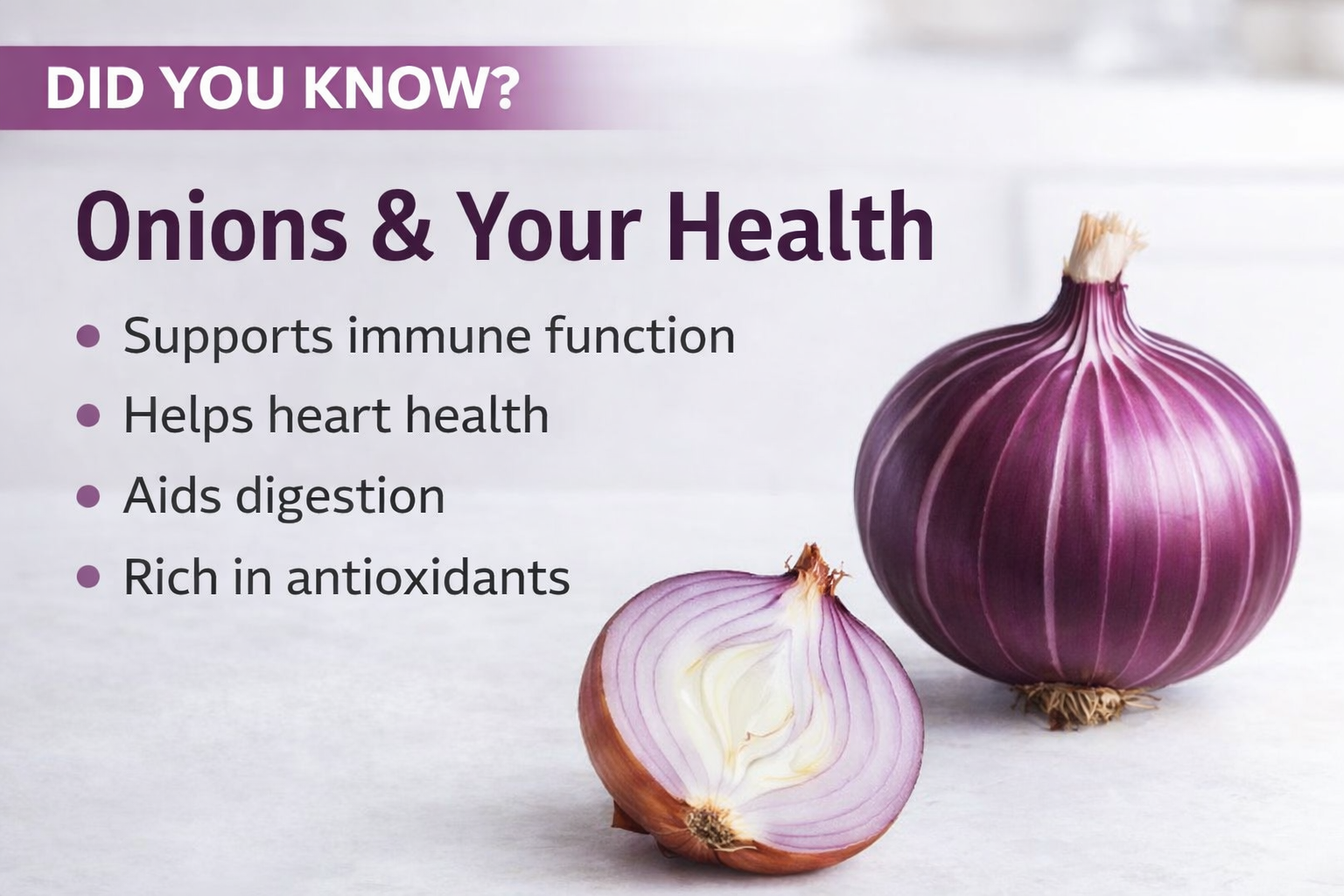
- Vitamin C: supports normal immune function
- Vitamin B6: contributes to energy metabolism
- Potassium: helps maintain fluid balance
- Fiber: supports digestion
In addition to these nutrients, onions contain plant compounds known as antioxidants.
The Role of Antioxidants
One of the most studied compounds in onions is quercetin. This natural antioxidant helps protect cells from everyday stress caused by environmental factors and normal body processes.
While no single food can prevent health issues, antioxidants like quercetin can contribute to overall balance when included regularly in the diet.
Core Benefits of Including Onions in Your Diet
Supports Heart Health
Onions may help support heart health when part of a balanced diet. Their natural compounds can contribute to:
- Healthy blood circulation
- Balanced cholesterol levels
- Normal blood pressure
Supports Immune Function
Onions provide vitamin C and other plant compounds that help support the immune system. Including them regularly may help the body respond more effectively to everyday challenges such as seasonal changes.
Helps Maintain Stable Blood Sugar
Some research suggests that onions may contribute to better blood sugar balance. This can be useful for people aiming to avoid sudden energy drops throughout the day.
It is important to view this as supportive rather than corrective. A balanced diet remains the key factor.
Supports Digestive Health
Onions contain prebiotics, a type of fiber that feeds beneficial gut bacteria. A well-balanced gut environment can:
- Support digestion
- Improve nutrient absorption
- Contribute to overall comfort after meals
Contributes to Reduced Inflammation
Natural compounds in onions may help the body manage normal inflammatory responses. This can support general comfort, especially as part of a balanced lifestyle.
Understanding Different Types of Onions
Choosing the right type of onion can enhance both flavor and nutritional variety.
Yellow Onions
- Strong, rich flavor
- Ideal for cooking
- Widely used in soups and stews
Red Onions
- Slightly sweeter taste
- Often used raw
- Higher in certain antioxidants
White Onions
- Mild and crisp
- Common in fresh dishes like salsas
Each type offers slightly different benefits, so rotating between them can add variety to your meals.
Simple Ways to Add Onions to Daily Meals
Add to Salads
Thin slices of raw onion can add texture and freshness.
Include in Cooking
Onions work well in:
- Soups
- Stir-fries
- Roasted dishes
Cooking them lightly helps preserve flavor while making them easier to digest.
Try Warm Infusions
Some people prepare onion-based drinks by boiling slices in water. While this is a traditional approach, it should be viewed as a complementary habit rather than a primary solution.
Practical Tips for Best Results
- Choose firm onions with dry outer skin
- Store in a cool, dry place
- Avoid overcooking to preserve nutrients
- Combine with other whole foods for better balance
These simple steps help you get the most from this everyday ingredient.
— See Next Page —
ADVERTISEMENT
